Study Reveals Same-Sex Behaviours in Primates Linked to Stress, Social Benefits
January 12, 2026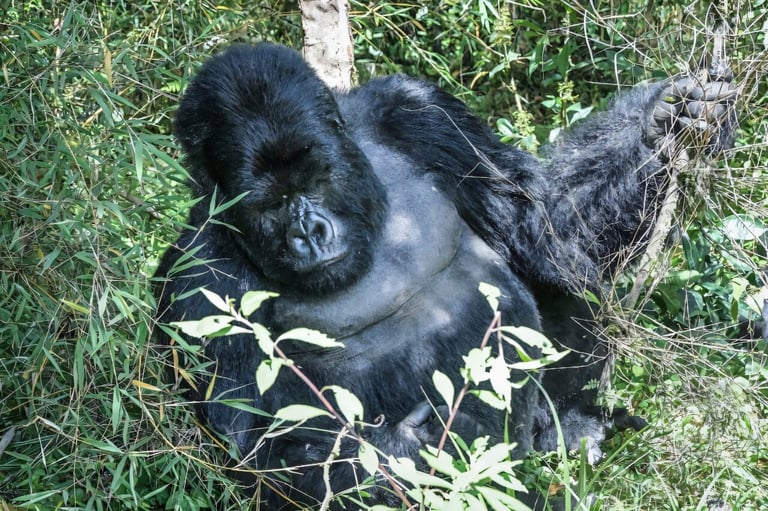

A new study analyzes 59 primate species and finds that same-sex behaviours correlate with environmental and social stressors, suggesting these behaviours may be adaptive rather than non-adaptive.
Published in Nature Ecology and Evolution, the study links actions such as mounting, genital touching, and fellatio to benefits like conflict management and stronger social alliances.
Findings contribute to the view that same-sex behaviour is natural and widespread across species, challenging the idea of it being an evolutionary paradox.
Researchers caution against applying naturalistic conclusions to human morality, noting that natural occurrence does not imply endorsement or condemnation in people.
Commentators warn against drawing direct parallels to human societies, emphasizing varied, species-specific explanations for homosexual behaviours.
Isabelle Winder of Bangor University highlights comparative methods as valuable for illuminating the evolution of complex, humanlike behaviours.
Independent experts, like Marlene Zuk, praise the breadth of data and support that animal sexual behaviour is nuanced and often extends beyond reproduction.
Researchers emphasize the findings do not directly describe human sexual behaviour but suggest human ancestors faced similar environmental and social pressures affecting sexual behaviour.
Vincent Savolainen, a senior author, underscores the importance of considering same-sex behaviour when studying wild, complex animals.
The study warns against overgeneralizing to humans, noting differences in drivers like food scarcity and social structure, and acknowledges the complexity of human sexual orientation, preferences, and identities.
While noting potential insights for understanding human sexual orientation, the study cautions against misinterpretation or the idea that social equality could negate same-sex sexual behaviour in humans.
Independent experts say the findings illuminate primate sociality and may inform debates on the origins of same-sex behaviour, but extrapolation to humans is limited and queer behaviours in nature are diverse.
Summary based on 6 sources
Get a daily email with more Science stories
Sources
The Guardian • Jan 12, 2026
Primates’ same-sex sexual behaviour ‘may reinforce bonds amid environmental stress’
Nature • Jan 12, 2026
Same-sex sexual behaviour can help primates to survive — and reproduce
NBC News • Jan 12, 2026
Same-sex sexual behavior seen in many primate species, suggesting evolutionary origin
Scientific American • Jan 12, 2026
New Study Probes How Same-Sex Behaviors Evolved in Nonhuman Primates