NC Urges MMR Vaccination Amid Multiple County Measles Outbreaks and Travel Concerns
February 4, 2026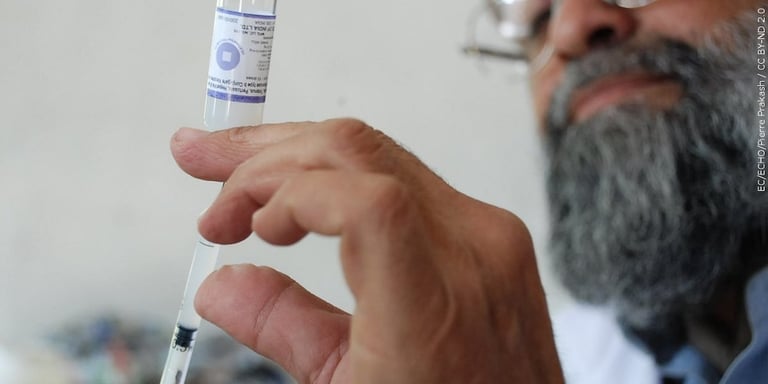


The article links to the state health department dashboard with ongoing case counts and underscores the importance of vaccination messaging.
Vaccination guidance remains clear: two MMR doses for children (first at 12–15 months, second at 4–5 years) and at least one dose for adults; two doses are especially important for higher‑risk groups such as healthcare workers, college students, and international travelers; one dose is about 93% effective, while two doses are about 97% effective.
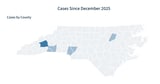
Case distribution covers Nash, Union, Mecklenburg, Buncombe, Polk, and Cabarrus Counties, with a January 27 case reported in Nash County.
A dedicated text notification system has been launched to alert residents who may have been exposed to measles and to guide next steps.
Most U.S. measles cases arise when unvaccinated or under‑vaccinated people travel internationally and transmit the virus; travelers should be fully vaccinated at least two weeks before travel, with an early MMR dose offered to infants 6–11 months before international trips.
Measles cases in North Carolina span several counties, including Buncombe (the highest with six cases), Mecklenburg, Polk, Nash, Rutherford, and Cabarrus.
NC health officials are using text alerts and local health department outreach to inform residents of potential exposures and provide guidance.
Public outreach may involve phone, email, or in‑person contact by NC Public Health Outreach Teams when exposure is suspected, and messages may indicate exposure status without confirming infection.
A measles toolkit supports outreach by health officials, and vaccination is available through many retail pharmacies and the Vaccines for Children program.
Measles presents with high fever, cough, runny nose, conjunctivitis, Koplik spots, and a blotchy red rash, and may lead to complications such as diarrhea, pneumonia, encephalitis, and immune suppression.
Measles is highly contagious and spreads via direct contact and airborne transmission, remaining in the air for up to two hours after an infected person leaves an area.
The state is urging unvaccinated individuals aged 1 year and older to receive the measles, mumps and rubella (MMR) vaccine, and recommends discussing travel plans with a healthcare provider if visiting areas with outbreaks.
Summary based on 6 sources
Get a daily email with more US News stories
Sources
WRAL • Feb 4, 2026
North Carolina reports first measles hospitalization

WITN • Feb 4, 2026
North Carolina now has 15 measles cases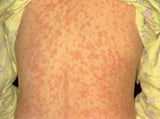
WWAYTV3 • Feb 4, 2026
NC health officials urge vaccination as measles cases rise statewide