Kerala Symposium Urges Local Solutions for Rising Parkinson's Cases in India
February 8, 2026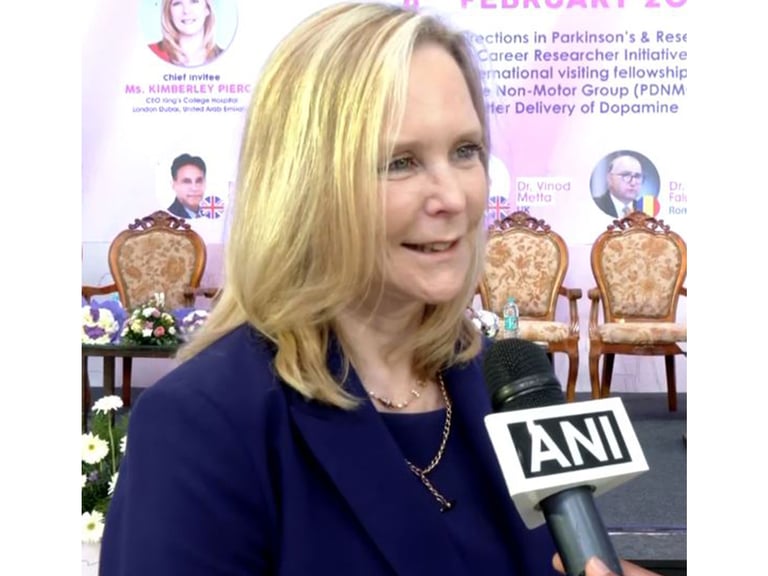


A regional symposium in Kerala emphasizes region-specific research, early diagnosis, and affordable treatments for Parkinson's in India, highlighting new therapies and technologies that could transform care.
Experts project a sharp rise in Parkinson's cases in India, potentially making the country the second-highest globally within five years, based on discussions at the 6th International Annual Symposium-2026.
Contributing factors for the rise include industrialisation, air pollution, and changing lifestyles, with additional region-specific risks such as male gender, genetics, and head injuries in North India.
Public health implications call for improved access to treatments like dopamine replacement and Deep Brain Stimulation, alongside stronger healthcare infrastructure and caregiver education.
The event frames long-term strategies around local manufacturing, international collaboration, and supportive policy to lower costs and expand care access.
Experts note a rising incidence among younger people in Southeast Asia, including India, with social, economic, and healthcare implications for those in productive years.
India's current prevalence is about 15-43 cases per 100,000, with projections of significant growth by 2030; 40-45% of cases are early-onset (ages 22-49) and onset averages around 51.
India's genetic landscape includes the p.Leu444Pro mutation linked to earlier onset, underscoring the need for genetics-informed research and treatments and the potential benefits of local manufacturing and global collaboration to cut costs.
There is emphasis on the impact of local manufacturing and international collaboration to reduce treatment costs and broaden access to care for millions of Indian patients.
Parkinson's is the second most common neurodegenerative disorder among adults over 60, prompting advocates for better public health policies and wider access to dopamine replacement therapies and Deep Brain Stimulation.
Kerala hosts the conference with leaders from King's College Hospital London noting India's anticipated surge and urging joint Indian-led research and publications focused on the Indian population.
Summary based on 5 sources
Get a daily email with more World News stories
Sources

Economic Times • Feb 8, 2026
India expected to see surge in Parkinson's disease, becoming 2nd-highest in 5 yrs: Experts at 6th Internat
Economic Times • Feb 8, 2026
India expected to see surge in Parkinson's disease, becoming 2nd-highest in 5 yrs: Experts at 6th Internat