Toxic Chemicals in Hair Extensions Threaten Health: Study Urges Stricter Regulations
February 11, 2026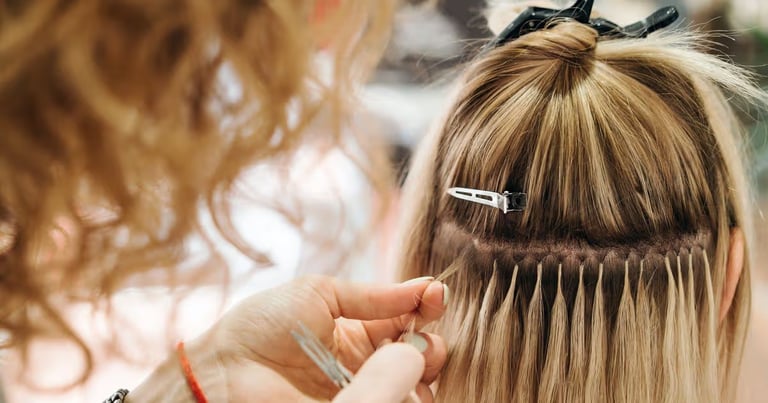


Legislators in New York and New Jersey are considering bills to require ingredient disclosure and to restrict harmful chemicals, while a federal Safer Beauty Bill Package seeks to boost FDA oversight of synthetic hair products.
Industry voices call for better guidance for consumers and professionals, noting the scalp’s extended contact with these products and gaps in information about chemical treatments.
Stakeholders emphasize labeling gaps and a lack of transparency about ingredients, which hampers informed consumer choices and professional guidance on scalp safety.
The study underscores a lack of federal safety standards, testing requirements, or recalls for beauty products, with only limited state bills in California and Washington and no comprehensive U.S. regulation yet.
Regulatory developments show a patchwork: the FDA has faced delays in banning certain formaldehyde-related hair treatments, while the EPA has proposed loosening restrictions on carcinogens, signaling uneven protections.
About one in ten samples contained organotin compounds at levels exceeding European safety limits, with several detected chemicals associated with cancer, early puberty, and metabolic issues, disproportionately affecting Black women and girls who frequently use these products.
The findings highlight the need for stronger regulatory oversight and greater transparency in the hair-extension industry to protect consumer health, especially for Black women who are major users.
The broader implication is a push for mandatory ingredient disclosures, testing for sensitizers, and wider regulatory reform to ensure safer, affordable options for consumers.
Advocates urge stronger government regulation and clearer ingredient disclosures rather than relying on consumer vigilance to ensure safety.
The study’s authors advocate for stronger regulation and disclosure; several states move toward bills, and the Safer Beauty Bill Package at the federal level would expand oversight of synthetic extensions.
A Silent Spring Institute study analyzed 43 hair extension products, covering both human hair and synthetic options, and found widespread hazardous substances, including chemicals linked to cancer and hormone disruption.
Some mitigation ideas emerged, such as pre-washing synthetic hair with apple cider vinegar to reduce tin-based chemicals, though this does not eliminate exposure.
Summary based on 9 sources
Get a daily email with more Science stories
Sources

Scientific American • Feb 11, 2026
Hair extensions may contain chemicals linked to cancer and reproductive issues
Healthline Media • Feb 11, 2026
Hair Extensions May Contain Harsh Chemicals Linked to Breast, Uterine Cancer
Gizmodo • Feb 11, 2026
Hair Extensions Found to Contain Dozens of Hazardous Chemicals
The Boston Globe • Feb 11, 2026
Hair extensions under scrutiny for toxic chemical content