Breakthrough Nasal Vaccine in Mice Offers Broad Protection, Promising Shift in Universal Immunization Approach
February 19, 2026


The study was published in Science, with researchers calling for continued safety monitoring and real-world effectiveness evaluation in subsequent human trials.
There are unanswered questions and potential risks, including avoiding over-activation of the immune system and possible immune-related side effects, underscoring the need for cautious, phased human trials.
Researchers plan to begin human testing with a Phase I safety trial, followed by larger efficacy trials if safety is confirmed, estimating that two nasal doses could suffice and a five-to-seven year timeline is possible, depending on funding.
Future plans include Phase I safety trials in humans and controlled challenge studies to assess efficacy, with the goal of a single biannual or seasonal intranasal spray to replace multiple annual vaccines.
Current status features early safety and larger efficacy trials in humans, with an estimated five to seven years before potential availability, contingent on funding.
Experts view the results as promising, noting clear data and potential if efficacy translates to humans; the approach is described as a bridge vaccine leveraging innate immunity for broad, non-specific protection.
While acknowledging potential, experts caution that a true universal vaccine faces safety and variability challenges, and that seasonal vaccines for flu, Covid, and RSV will likely remain common in the near term.
The study involves multi-institution collaboration among Stanford, Emory, UNC Chapel Hill, Utah State, and the University of Arizona, with NIH and other endowments funding the work.
In humans, delivery may require methods beyond a simple spray (potentially nebulizers) to reach deep lung tissue, and the duration of protection in people remains unknown.
The vaccine signals immune cells in the lungs rather than mimicking a single pathogen, promoting durable T cell communication with innate immune cells to sustain protective responses.
Experts describe this approach as a paradigm shift from antigen-specific vaccines to broad-spectrum immunological fortification intended to guard against multiple respiratory threats.
A nasal mucosal universal vaccine tested in mice provides protection for at least three months against several pathogens, including SARS-CoV-2, and also reduces allergic responses to dust mites.
Summary based on 6 sources
Get a daily email with more Tech stories
Sources

BBC News • Feb 19, 2026
Single vaccine could protect against all coughs, colds and flus, researchers say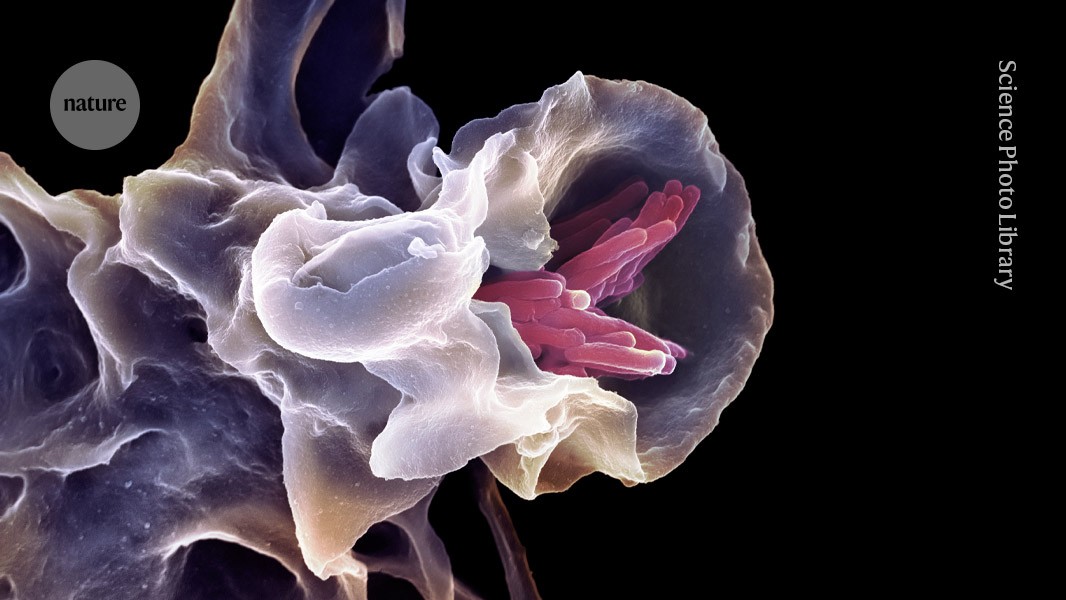
Nature • Feb 19, 2026
‘Universal vaccine’ protects mice against multiple pathogens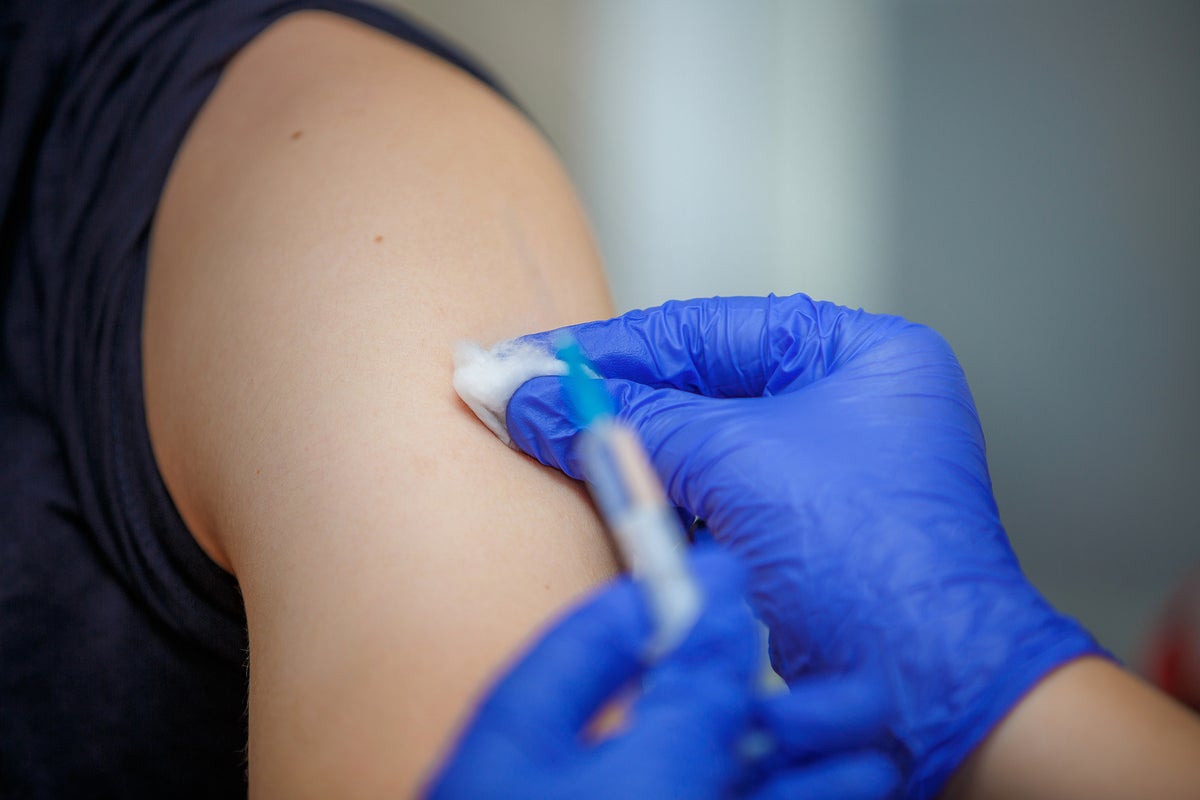
The Independent • Feb 19, 2026
Scientists develop universal vaccine to protect against allergies, cold and flu