New Study Reveals Chicks Exhibit Human-Like Bouba-Kiki Effect, Suggesting Deep Evolutionary Roots
February 19, 2026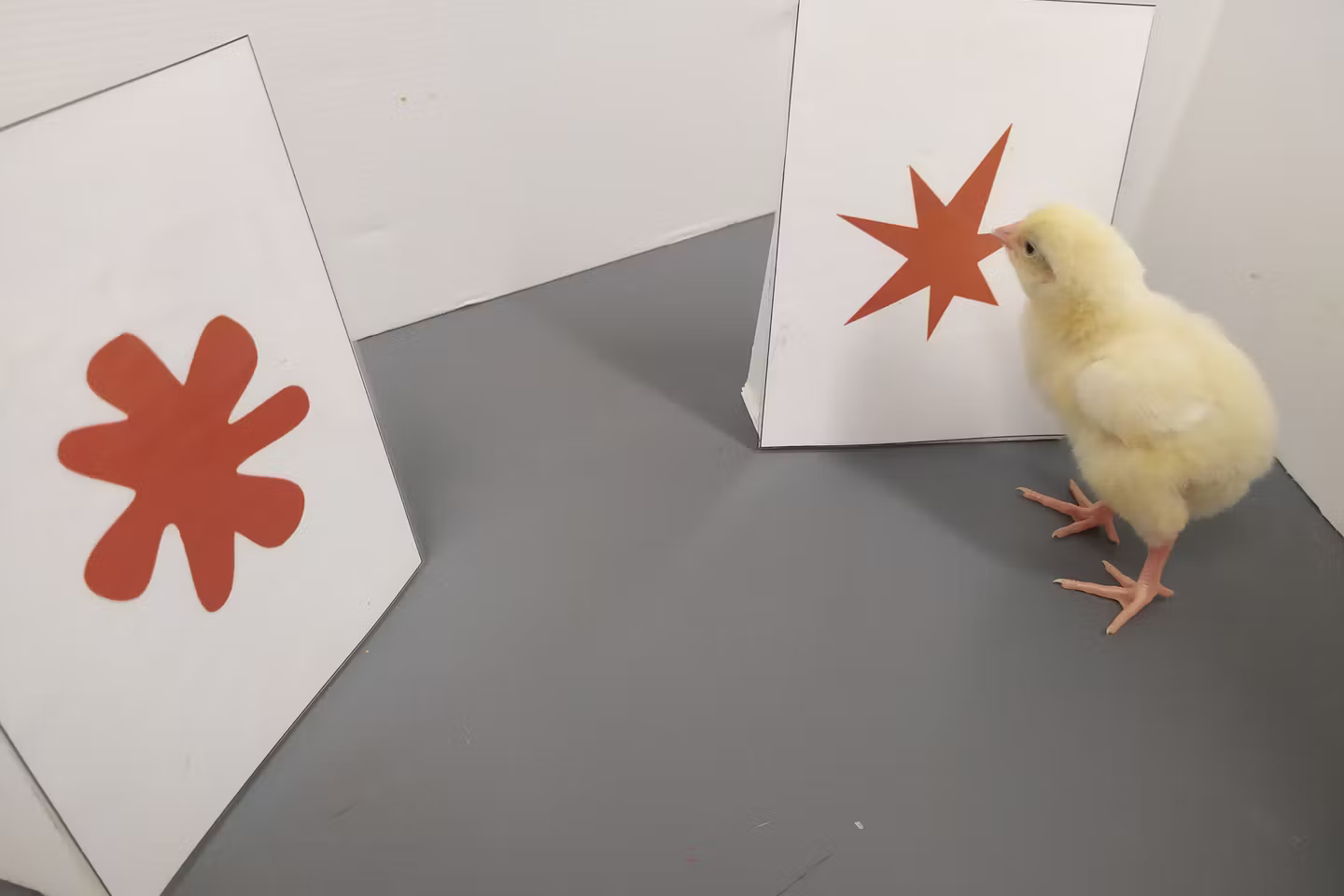

A new Science study shows newborn chicks associate bouba with round shapes and kiki with spiky shapes, indicating the bouba-kiki effect occurs in nonhuman animals and may not be unique to human language evolution.
When hearing bouba, about 80% of chicks approached the rounded shape and spent over three minutes exploring it, while the spiky shape drew lesser interest; the reversed pattern occurred with kiki.
Experts contextualize the finding as shifting focus from language origins to general cognitive perception, with some arguing the effect may be prelanguage and rooted in basic cognition.
The article includes a call to support Scientific American journalism.
Attribution notes Cody Cottier as author with Allison Parshall as editor, and references to related studies in humans and other animals.
Earlier attempts to find the effect in other primates failed, fueling debate about whether this is uniquely human.
Initial hypotheses about resemblance to words or letters gave way to cross-language and cross-phonetic studies suggesting a general human perceptual tendency rather than language-specific factors.
Findings support that sound-shape linkages could be part of a shared perceptual base predating language, possibly influencing symbolic communication.
Published in Science, the study adds to cross-modal correspondences across species, linking sound properties to object attributes like size or weight.
The evolutionary distance between birds and humans highlights the surprising breadth of this perceptual bias, raising questions about its origins.
Researchers see these results as evidence that basic cross-modal sound-shape associations exist very early in vertebrates, hinting at deep evolutionary roots.
Chicks at ages three days and one day were tested, linking looks to sounds and mirroring the human bouba-kiki pattern in very young birds.
Summary based on 4 sources
Get a daily email with more Science stories
Sources
NPR • Feb 19, 2026
Baby chicks link certain sounds with shapes, just like humans do
Ars Technica • Feb 19, 2026
From chickens to humans, animals think "bouba" sounds round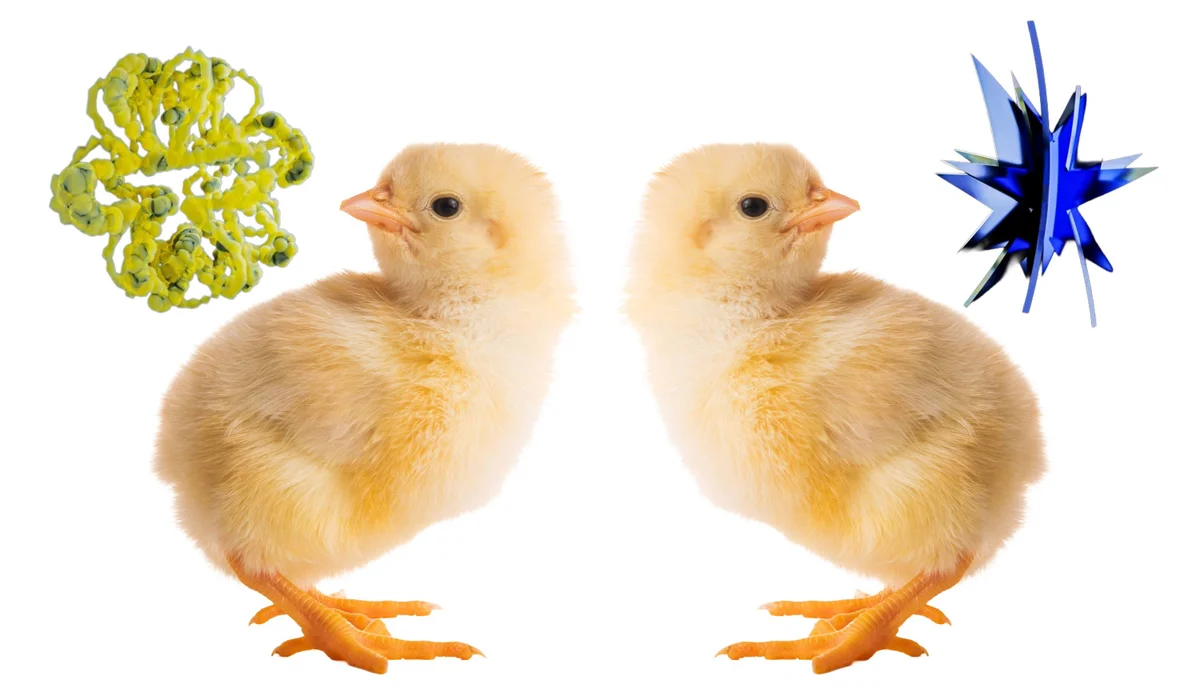
Scientific American • Feb 19, 2026
Baby chicks pass the ‘bouba-kiki’ test, challenging a theory of language evolution
Slashdot • Feb 19, 2026
Newborn Chicks Connect Sounds With Shapes Just Like Humans, Study Finds - Slashdot