NASA Labels Boeing Starliner Flight a Type A Mishap; Highlights Leadership and Safety Failures
February 20, 2026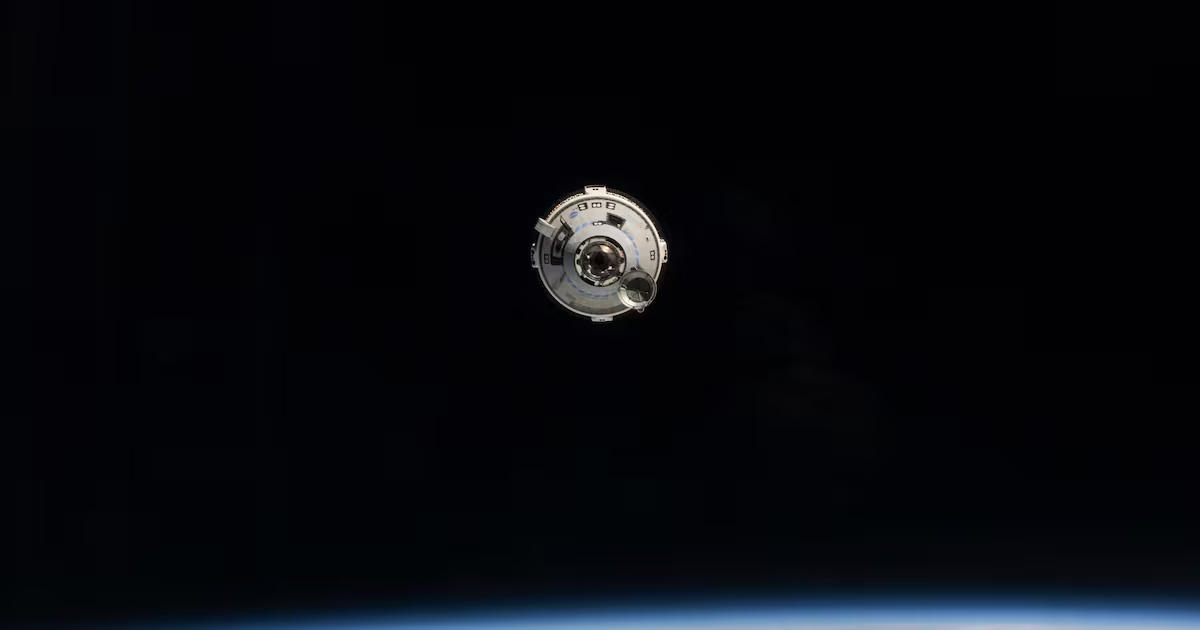


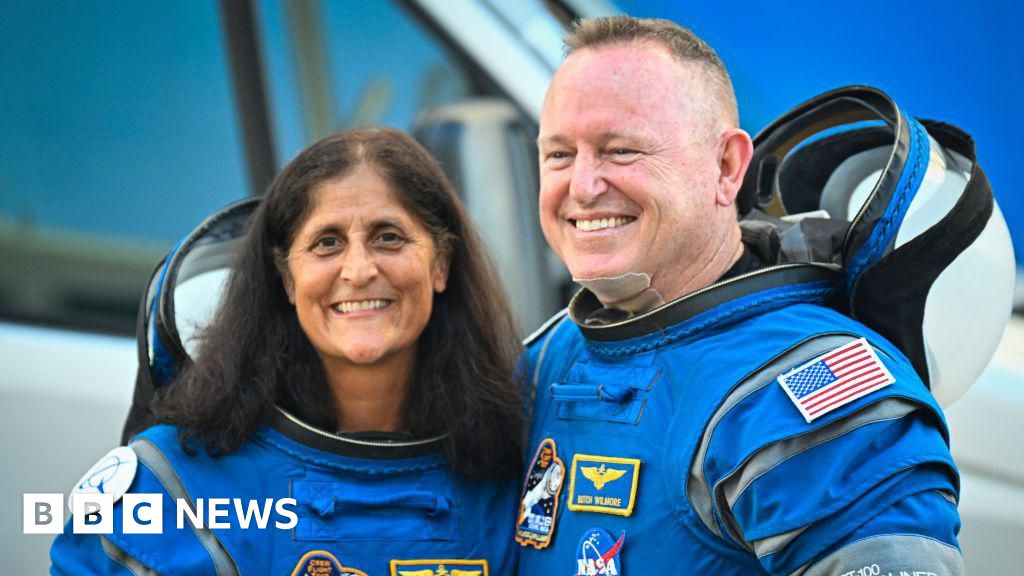
SpaceX ferried the astronauts back in a Dragon capsule, while Wilmore and Williams stayed aboard the ISS for more than nine months awaiting a later homeward opportunity, before both retired from NASA in 2024.
Boeing says it has implemented corrective actions and cultural changes aligned with the investigation, and SpaceX has adjusted mission plans to accommodate the stranded crew as a long-standing partner in ISS missions.
The report documents feelings of input being dismissed and a broader accountability gap across organizations, calling for leadership accountability to prevent safety risks.
The piece places the Starliner episode within a broader news round-up, noting ongoing coverage and related context.
Investigators point to programmatic advocacy and initial reluctance to declare a mishap as factors requiring accountability and culture change.
Hot-fire tests showed thrusters could function, but concerns lingered about reoccurrence during descent and risk to the attitude control system, contributing to a decision to bring Starliner back unmanned for safety.
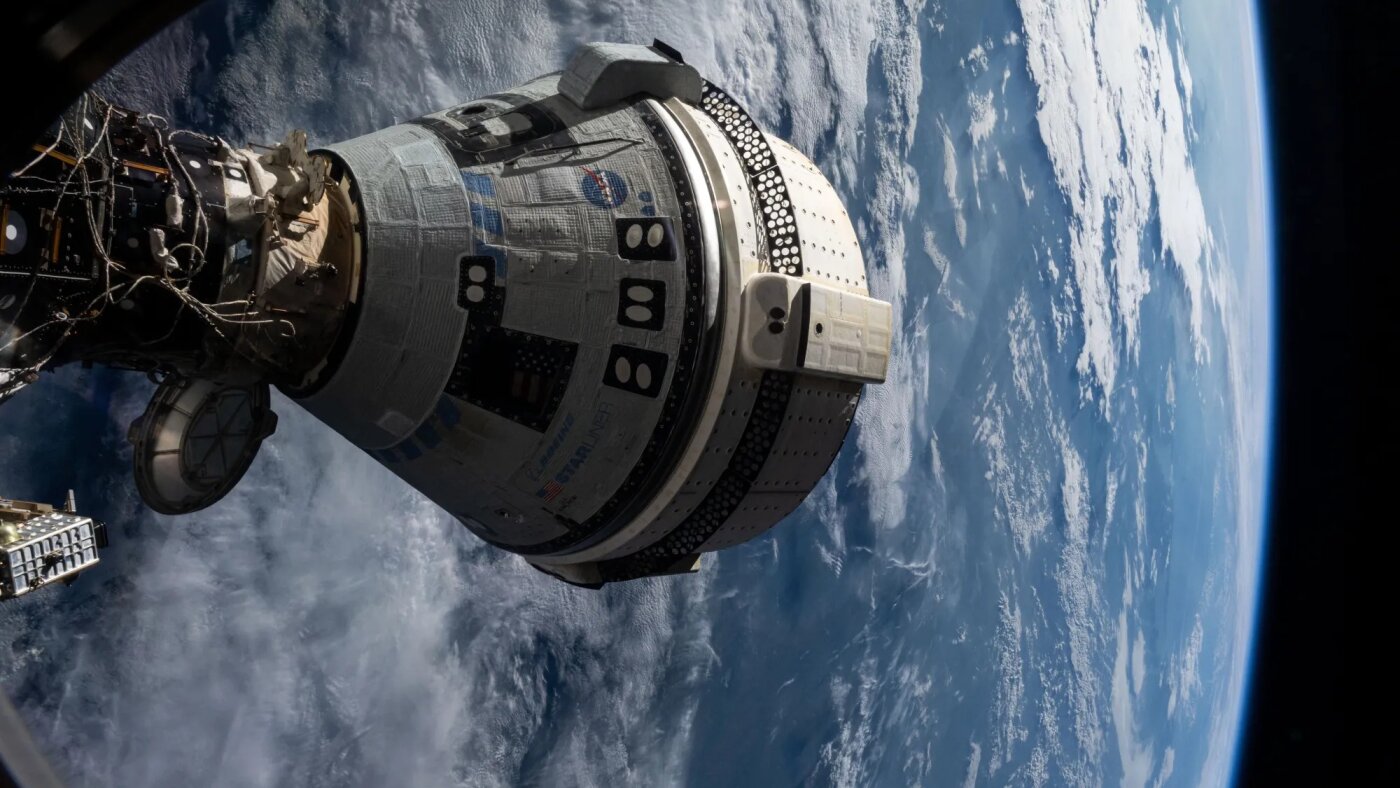
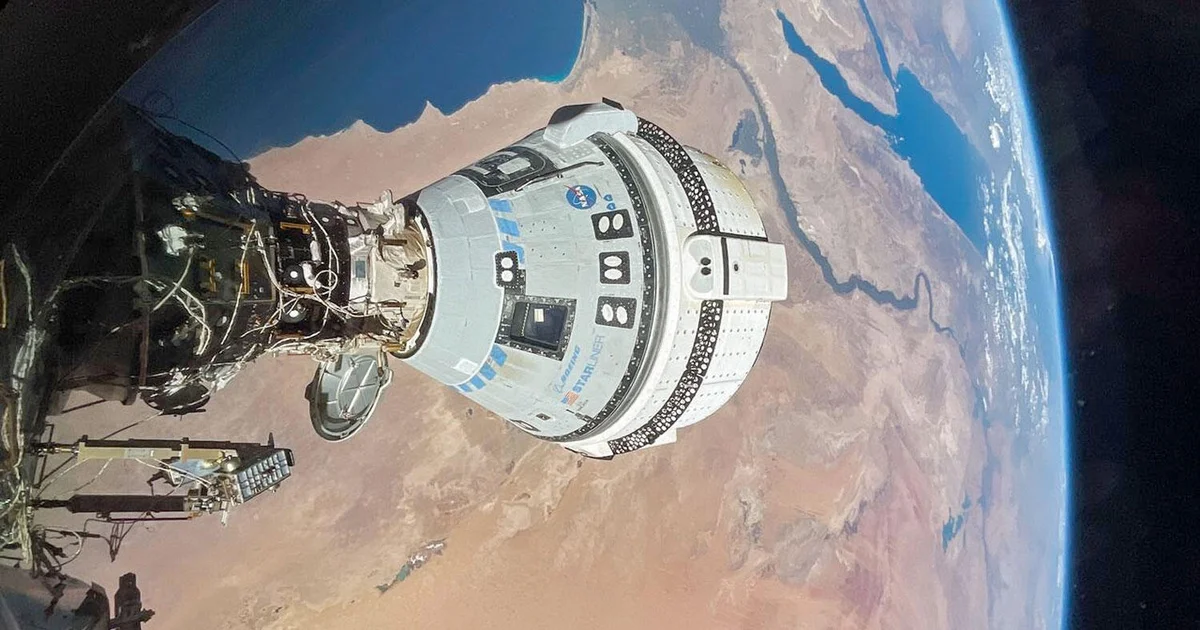
NASA formally classified Boeing Starliner’s 2024 crewed flight as a Type A mishap, reflecting serious technical failures and leadership shortcomings that could have produced a catastrophic outcome.
Even though no injuries occurred and the spacecraft regained control before docking, the incident warranted the highest safety designation due to its potential for a major mishap.
Wilmore’s account notes loss of six degrees of freedom control and multiple aft-thruster failures as the crew navigated escalating risk to preserve safety.
Isaacman asserted leadership accountability and culture change, while not disclosing punitive actions, to align with human spaceflight safety requirements.
Despite criticism, Isaacman praised controllers and crew for regaining control and docking, warning that alternative decisions could have yielded a far worse outcome.
Investigators describe emotionally charged, unproductive meetings with poor conflict resolution, contributing to risk acceptance.
Summary based on 35 sources
Get a daily email with more World News stories
Sources
BBC News • Feb 20, 2026
Nasa boss says Boeing Starliner failure one of worst in its history
Business Insider • Feb 20, 2026
NASA boss writes scathing memo blasting Boeing Starliner failures