UNSW Team Converts Peanut Shells into Affordable, Eco-Friendly Graphene in Minutes
February 25, 2026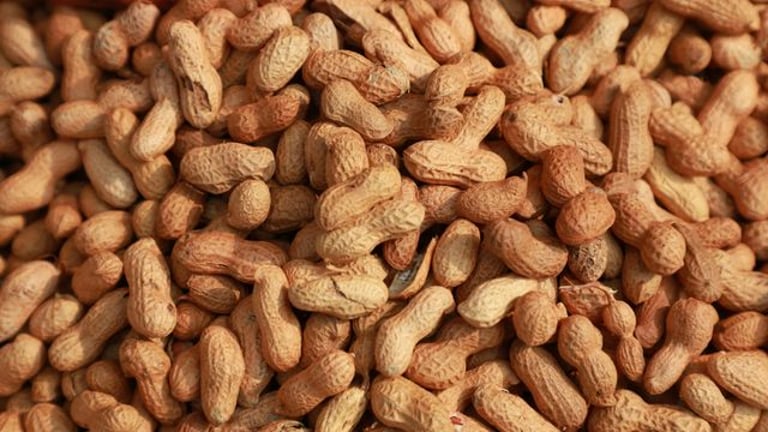

The process can produce graphene in roughly 10 minutes, with energy costs estimated around US$1.30 per kilogram, suggesting competitive production economics.
A team of UNSW researchers led by Professor Guan Yeoh has unveiled a process to produce high-quality graphene from discarded peanut shells, aiming to slash costs and reduce environmental impact.
The method starts with the lignin-rich peanut shells, pretreated to form a carbon-rich char around 500°C, then uses flash joule heating to briefly reach about 3000°C and transform into graphene.
Under Professor Yeoh’s guidance, the approach preheats peanut shells to create char and then applies rapid flash joule heating for mere milliseconds to yield single-layer graphene at ~3000°C.
Publication details indicate the work appears in Chemical Engineering Journal Advances, with authors De Cachinho Cordeiro IM, Lin B, Jia M, and others in 2026.
While current production is small, researchers anticipate commercialization within three to four years and see potential to adapt the method to other lignin-rich wastes like coffee grounds or banana peels.
The team is actively exploring other organic wastes as precursors, citing lignin content as the common factor enabling similar graphene production.
The peanut-shell graphene approach could transform agricultural waste into valuable materials, enabling large-scale biomass-to-graphene manufacturing for electronics, energy storage, and flexible technologies.
Graphene’s standout properties—strength, conductivity, and transparency—underscore its value across electronics, energy storage, medical devices, and flexible tech, highlighting the importance of scalable, low-cost production.
Overall, a kilogram of graphene using this method is projected to cost about US$1.30 in energy, with the entire workflow completed in about 10 minutes.
Initial work identifies lignin-rich peanut shells as the key precursor, with pre-treatment to remove impurities essential for achieving high-quality, defect-free graphene.
This approach uses no added chemicals and relies solely on peanut-shell-derived char, reducing energy use and environmental impact compared with traditional graphene production.
Summary based on 2 sources
Get a daily email with more Science stories
Sources
Technology Networks • Feb 25, 2026
Researchers Turn Leftover Peanut Shells Into High-Quality Graphene