Engineered Immune Cells Doubling Breast Cancer Response Rates in Mice, Paving Way for New Therapies
March 24, 2026

Engineering NK cells, CAR-NK cells, and other tumor-reactive T cells to express GPR183 markedly improved migration toward cancer cells, enhanced tumor suppression, and doubled complete response rates in mouse breast cancer models.
Tumor metabolites not only recruit immunosuppressive environments but can serve as actionable cues to direct anti-tumor immunity.
Broader implication: Tumor oxysterol synthesis is active in breast cancer and correlates with invasiveness; targeting thGPR pathways could biochemically guide therapeutic cells to solid tumors, potentially improving solid-tumor immunotherapy outcomes.
The work was published March 23, 2026, in Nature Immunology and funded by NIH, Chan Zuckerberg Biohub, and other sources; Stanford has filed a related patent with Jerby and Kim named as inventors.
thGPR expression marks specific NK cell lineages and maturation stages; GPR183 is enriched in immature NK cells and is dynamically regulated during NK/T cell maturation, suggesting lineage-specific targeting potential.
The approach addresses a major hurdle in solid-tumor immunotherapy: insufficient T cell infiltration into tumors, rather than just T cell exhaustion.
GPR183 signaling via its ligand 7α,25-OHC (synthesized by CH25H and CYP7B1; also 7α,27-OHC via CYP27A1 and CYP7B1) remodels NK cell transcription with a ligand-dependent signature involving adhesion, membrane organization, and immune-related genes.
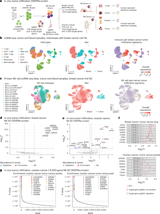
In vitro assays showed eight thGPRs rank among top hits for promoting migration toward cancer-derived factors, supporting the in vivo results.
Many hits were receptors for chemoattracting metabolites rather than traditional chemokine receptors, suggesting a metabolic route to guide immune cells to tumors.
The study identifies thGPRs that recognize phospholipids, fatty acids, and cholesterol derivatives produced by cancer cells, enabling migration into solid tumors.
Jerby and colleagues are exploring modifying thGPRs to recognize additional tumor metabolites or to act as on-switches for killing only within tumors, with plans to move toward early clinical testing of GPR183-engineered cells.
Intro: Cell delivery to solid tumors is limited by recruitment and infiltration of cytotoxic lymphocytes, necessitating strategies to redirect immune cells to tumor sites.
Summary based on 3 sources
Get a daily email with more Science stories
Sources
Nature • Mar 23, 2026
Engineering NK and T cells with metabolite-sensing receptors to target solid tumors
News Center • Mar 23, 2026
Immune cell ‘bloodhounds’ track cancer cells’ unique metabolic signatures, eliminate tumors in mice
Mirage News • Mar 24, 2026
Immune Cells Hunt, Destroy Tumors in Mice Study