UN Report: Freshwater Fish Crisis Threatens 325 Migratory Species with Extinction
March 24, 2026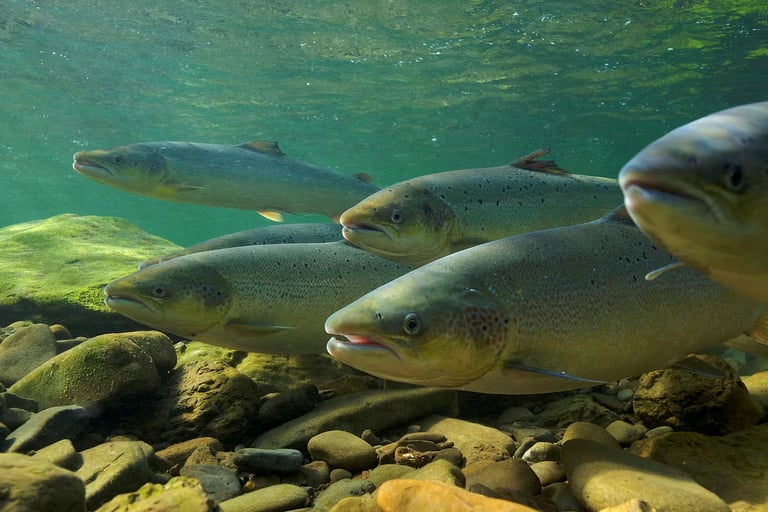


In the Mekong Basin, fisheries yield exceeds two million metric tons annually, sustaining tens of millions, so losing migrations would threaten food security and cultural practices.
The issue is being discussed at the CMS COP in Campo Grande, Brazil, where governments are weighing expanded protections, reduced habitat loss, and stronger anti-poaching and habitat-conservation measures for migratory species.
Countries along these migratory routes are considering cross-border conservation plans to establish defined migratory corridors and joint quotas for species such as an 11,000-kilometer wels and other migratory fish.
Since most migratory fish cross borders, cross-border cooperation is essential to recover national stocks and protect habitats through coordinated government action.
Experts urge moving beyond iconic megafauna to emphasize migratory freshwater fish’s cultural significance, ecological roles, and economic value.
Notable regional examples include the Mekong giant catfish’s decline due to dam barriers and overfishing, while species like trey riel, hilsa, Amazon dorado, and other large catfish migrate across continents; basins affected include the Amazon, La Plata-Paraná, Danube, Mekong, Nile, and Ganges-Brahmaputra.
A new UN-backed assessment warns of a freshwater fish crisis, identifying 325 migratory species needing international protection coordination to prevent extinction.
The scope is vast: 325 migratory freshwater species are prioritized for coordinated action under the CMS, with 97% of migratory species already at risk and Asia alone reporting a more than 95% decline in megafish since 1970.
Overall, migratory freshwater fish populations have fallen by about 81% over the last five decades, driven by dams, pollution, and overfishing.
Conservation strategies include keeping rivers free-flowing, reconnecting fragmented waterways, improving fisheries management, protecting floodplains and wetlands, and restoring degraded habitats, with examples like removing dams on the Elwha and White Salmon rivers reopening habitat for multiple species.
Barriers like dams and culverts fragment rivers, alter flows, and hinder spawning grounds, increasing energy costs, disease risk, and predation.
Decline is driven by dams, habitat fragmentation, pollution, overfishing, sand mining, and climate-driven changes that disrupt long, connected river corridors essential for migrations.
Summary based on 5 sources