CSIRO Expedition Uncovers Over 110 New Species in Coral Sea's Uncharted Depths
March 31, 2026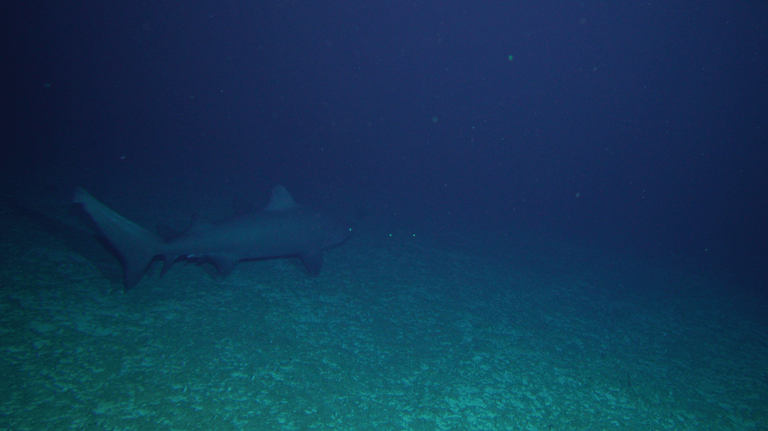


Voyage chief scientist Dr. Will White described the workshops identifying specimens as potentially the largest taxonomic effort in Australian marine science, highlighting intense collaboration.
A major CSIRO expedition aboard the Investigator over 35 days in the Coral Sea has identified more than 110 new fish and invertebrate species, with the total expected to exceed 200 as analysis continues.
The voyage mapped depths from 200 metres to 3 kilometres in Australia’s largest marine protected area, contributing to what could become the largest taxonomic effort in Australian marine science.
Four new species were described by lead scientist Dr. Will White: a new skate (Dipturus), a new stingaree ray (Urolophus) from Kenn Plateau, a new deepwater catshark (Apristurus), and a ghost shark chimaera, all exhibiting deepwater, slow-moving adaptations.
Warming in the Coral Sea has produced some of the hottest sea surface temperatures on record in recent summers, underscoring environmental changes accompanying biodiversity work.
Findings highlight deepwater adaptations, spanning a new skate, ray, deepwater catshark, and a ghost shark chimaera, in 200 metres to 3 kilometres depths.
Researchers note deep-sea biodiversity is poorly understood and must be documented amid warming trends and other pressures; Coral Sea temperatures have shown record warmth in recent years.
Invertebrate findings include potential new jellyfish and anemones, with many cryptic species needing genetic analysis to confirm novelty as tissue samples are tested.
Discovered invertebrates span brittlestars, crabs, sea anemones, jellyfish, and sponges, with cryptic species often requiring genetic confirmation beyond morphology.
Specimens were collected in collaboration with the Australian Museum and other national collections, with genetic testing underway to confirm novelty.
Dr. Claire Rowe underscored the urgency of deep-sea exploration due to limited knowledge and rising threats like overfishing, climate change, and potential deep-sea mining, aiming to catalog biodiversity before it’s lost.
The Coral Sea Marine Park, Australia’s largest marine protected area east of the Great Barrier Reef, served as the study site, reaching Mellish Reef roughly 1,000 kilometres off Queensland.
Summary based on 2 sources
Get a daily email with more World News stories
Sources

The Guardian • Mar 31, 2026
Deepwater discoveries: scientists find more than 110 new fish and invertebrate species in the Coral Sea
Charlotte Observer • Mar 31, 2026
Strange Creatures From the Deep: Scientists Discover More Than 110 New Species in Australia’s Coral Sea