Canadian Researchers Uncover Brain Cell's Role in Glioblastoma, Propose HIV Drug as Treatment
April 6, 2026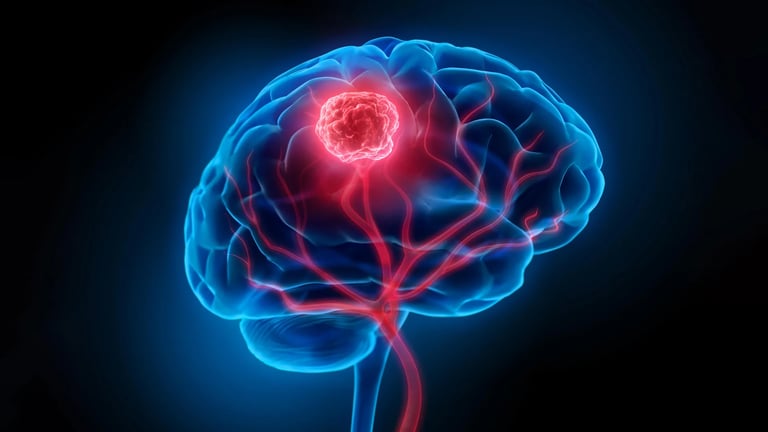

The research frames glioblastoma as an ecosystem and highlights the potential for rapid clinical translation through repurposing an approved HIV drug.
Support for the study includes the 2020 William Donald Nash Brain Tumour Research Fellowship and the Canadian Institutes for Health Research, with Singh and Moffat holding prominent chairs.
In laboratory models, blocking the signaling from oligodendrocytes to glioblastoma cells significantly slowed tumor growth, suggesting the tumor’s ecosystem can be manipulated therapeutically.
The researchers identify the CCR5 receptor as a central part of this signaling, suggesting that the HIV drug Maraviroc could be repurposed to interrupt tumor-supporting communication.
The study, published in Neuron, is led by Kui Zhai of McMaster and Nick Mikolajewicz of SickKids, with co-senior authors Shiela Singh and Jason Moffat.
This work builds on prior findings that cancer cells exploit developmental brain pathways to spread, reinforcing a shift toward disrupting tumor communication networks.
A Canadian research team from McMaster University and SickKids has shown that oligodendrocytes, usually supportive brain cells, can switch to promoting glioblastoma growth by signaling to cancer cells, revealing a new vulnerability in the tumor ecosystem.
Summary based on 2 sources
Get a daily email with more Science stories
Sources

ScienceDaily • Apr 5, 2026
Scientists find hidden brain cells helping deadly cancer grow
SSBCrack News • Apr 6, 2026
Canadian Researchers Discover New Method to Slow Glioblastoma Growth Using Existing HIV Drug - SSBCrack News