Boston Marathon Enhances Safety with Innovative Crowd-Science Solutions, Preserving Historic Charm
April 19, 2026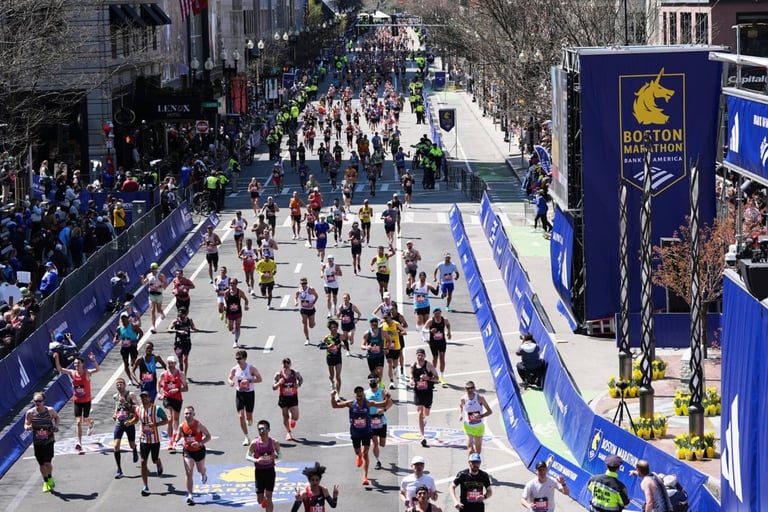

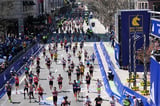
A crowd-science expert, who has been guiding Boston Marathon planning, oversees a field of more than 32,000 runners across eight communities to improve safety and flow without changing the race’s identity.
Using simulations—over 100 iterations—the team tests configurations such as more waves, adjusted aid stations, and finish-area logistics within the existing time window to enhance the runners’ experience.
The route and its historic character remain the same, with organizers acknowledging time and space constraints and pursuing smoother, more scalable operations through crowd-science innovations.
The reporting emphasizes balancing tradition with innovation to address modern crowd-management challenges at a historic event.
BAA officials describe the effort as a balance between time and space on a city-spanning route, highlighting its historic nature.
Efforts focus on preserving the race’s unique identity while implementing crowd-management measures to reduce bottlenecks on narrow streets.
The initiative reflects a broader trend of data-driven crowd management for major events, aiming to balance growth with safety and accessibility.
Adjustments include optimizing bus unloading at the start, repositioning water and aid stations, and reconfiguring finish-line chutes to streamline medal, blanket, food, and medical distribution.
Other changes entail coordinating start operations, repositioned aid points, and revised finish-line layouts to enhance overall flow.
Practical changes also cover improve finish-line logistics to accelerate medal and aid distribution and improve medical access.
Throughout, there is a deliberate balance of tradition and innovation to keep the route length and historic elements intact while boosting runner experience.
Key strategies discussed include tracking crowd density, optimizing the course layout, scheduling, and real-time management to prevent bottlenecks and risks.
Summary based on 16 sources
Get a daily email with more Science stories
Sources
Yahoo Sports • Apr 19, 2026
A crowd scientist is helping the Boston Marathon manage a growing field of 30,000-plus runners
The Independent • Apr 19, 2026
A crowd scientist is helping the Boston Marathon manage a growing field of 30,000-plus runners