Cocaine in Waterways Alters Salmon Behavior, Urges Reevaluation of Environmental Risk Assessments
April 20, 2026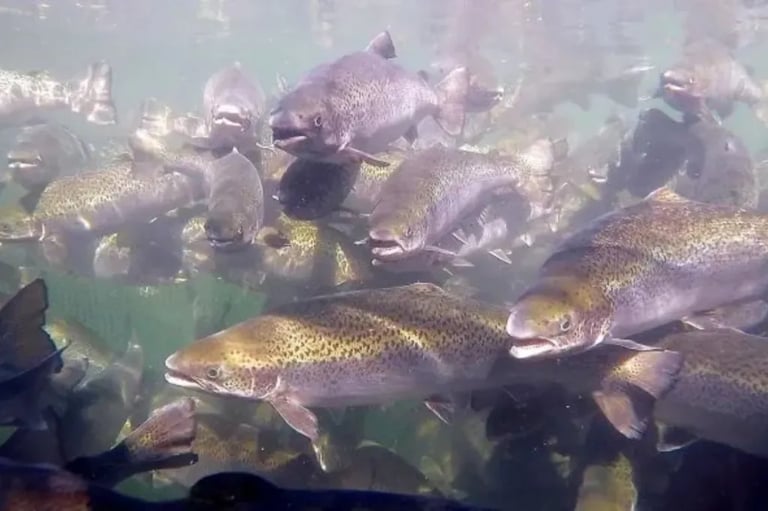

The study suggests current risk assessments may miss important contaminants by not accounting for drug metabolites and derivatives.
Movement changes can influence feeding, predation, and population structure, meaning pollution-driven shifts could affect broader ecosystem dynamics.
In short, altered movement patterns from contamination may cascade to ecosystem-level effects through feeding, predation risk, and population structure.
Benzoylecgonine, a cocaine metabolite, produced a stronger effect than cocaine itself in the fish, highlighting the importance of considering metabolites in environmental risk assessments since they’re often found at higher water concentrations.
Researchers used implanted slow-release devices to deliver environmentally relevant doses and tracked salmon with acoustic transmitters over two months, comparing them to drug-free controls.
Experts are calling for better wastewater management and greener medicines to reduce pharmaceutical pollutants and raw sewage entering waterways.
The research underscores potential ecological and fisheries implications of wastewater contaminants and urges more study of wild populations beyond hatchery-raised fish.
While exposure to cocaine did not pose a human-food risk, the findings raise broader concerns about pollutants entering ecosystems via wastewater not fully treated.
Understanding ecosystem effects will require higher-resolution tracking and studies across more species given the expanding presence of illicit drugs in waterways.
The findings point to cascading ecological risks from cocaine and metabolite pollution and stress the need for risk assessments that include metabolites, not just the parent compound.
A new study in Current Biology shows that cocaine contamination in freshwater alters Atlantic salmon behavior in the wild, with juvenile fish swimming farther and dispersing more widely than unexposed peers.
Griffith University’s Dr. Marcus Michelangeli notes pollution is a growing concern for aquatic ecosystems, with wildlife routinely exposed to human-derived drugs in waterways.
Summary based on 5 sources
Get a daily email with more Science stories
Sources

The Guardian • Apr 20, 2026
Cocaine pollution in rivers and lakes may disrupt behaviour of salmon, study finds
Scientific American • Apr 20, 2026
The strange way cocaine water pollution is changing salmon
Talker • Apr 20, 2026
Cocaine contaminated water makes salmon swim faster: study
Daily Mirror • Apr 20, 2026
Salmon are being 'driven wild' by cocaine pollution, new study finds