Controversy Erupts Over Blocked CDC Vaccine Study Amid Political, Scientific Tensions
April 22, 2026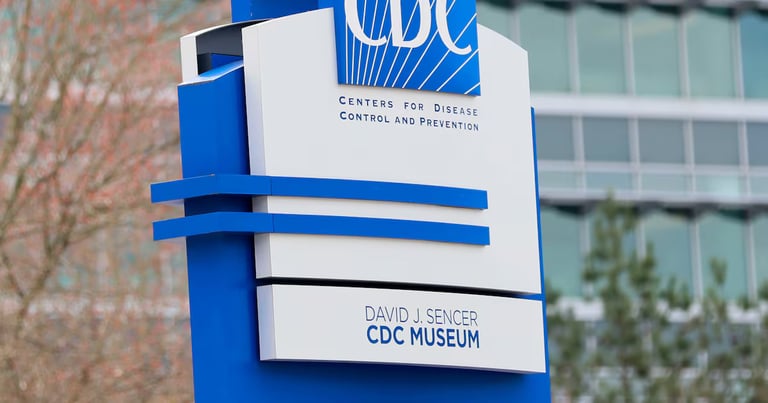


Kennedy’s history of anti-vaccine rhetoric and calls for changes in guidance have drawn scrutiny from lawmakers and experts, though he maintains his goal is transparency and medical choice.
A surge of controversy surrounds the blocking of a COVID-19 vaccine effectiveness study from the CDC’s Morbidity and Mortality Weekly Report, with officials saying methodological concerns stalled publication.
The Washington Post first reported the delay, noting the manuscript previously claimed vaccines reduced emergency visits and hospitalizations among healthy adults by roughly half in the prior winter.
The report also references Daily Kos articles to illustrate claims about Kennedy’s actions and their consequences, alongside notes on Daily Kos’s funding model.
Kennedy has publicly criticized certain vaccine policies and pushed for transparency and medical choice, while denying he is anti-vaccine; his role is framed as shaping vaccine messaging in politics and administration.
The coverage highlights the tension between political oversight and scientific publication in public health communications, with the Associated Press placing the story in that larger context.
Experts familiar with the VISION network say the study design is well established and widely used in high-profile journals, suggesting the rejection may reflect political interference rather than methodological flaws.
The incident underscores fierce debates over transparency, scientific independence, and how real-time vaccine effectiveness data should be reported amid evolving public health and political pressures.
The piece notes that the AP’s reporting comes as debates about transparency and political influence in public health continue.
Context includes internal CDC dynamics, resignations, and disagreements within vaccine policy advisement, framing the current dispute.
The decision to block publication came from the U.S. Department of Health and Human Services, with spokesperson Andrew Nixon citing multi-level review standards and confirming the manuscript was not accepted for release.
Critics, including former CDC official Demetre Daskalakis, describe the move as suppression or cherry-picking influenced by leadership bias, arguing it undermines transparent scientific expertise.
Summary based on 24 sources
Get a daily email with more World News stories
Sources
AP News • Apr 22, 2026
CDC COVID-19 vaccine study won't be published | AP News
Global News • Apr 22, 2026
U.S. CDC study on COVID-19 vaccine efficacy won’t be released: officials
The New Republic • Apr 22, 2026
CDC Blocks Publication of Study Proving Covid Vaccine Works