Brain-Eating Amoeba Found in 34% of Samples from Western U.S. Parks, Study Reveals
May 8, 2026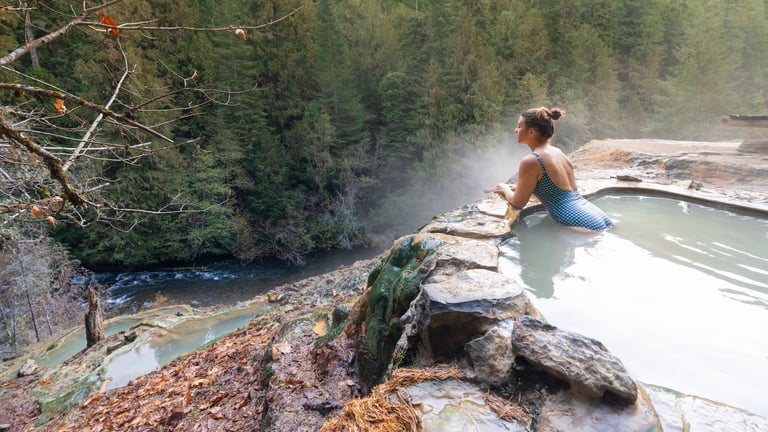

A federal study by the U.S. Geological Survey and partners found Naegleria fowleri, the brain-eating amoeba, in about one-third of water samples from 40 thermally impacted sites across five western national parks and recreation areas.
In Lake Mead, detections came from Blue Point, Boy Scout, Nevada Hot Springs, and Rogers Hot Springs, with additional positive sites identified in Yellowstone, Grand Teton, Olympic National Park, and Newberry National Volcanic Monument.
Over eight years (2016–2024), researchers collected 185 samples from 40 sites across five national parks and Lake Mead National Recreation Area, finding N. fowleri in 34% of samples and clustering primarily around Lake Mead, Yellowstone, and Grand Teton.
Although infections are rare and PAM is nearly always fatal, global cases are rising, raising concerns that warming climates could expand the organism’s range and heighten U.S. risk.
Experts warn that increasing water temperatures could boost case numbers, so heightened awareness is advised for thermally heated waters like hot springs.
The findings do not indicate an outbreak or trigger new federal warnings; N. fowleri is already known to inhabit U.S. waters, with warming temperatures potentially broadening its suitable environments.
Visitors should not expect site-specific warnings; signs are rarely posted, so travelers should assume the amoeba can be present in warm freshwater nationwide and take precautions.
Park signage about the pathogen is not common, reinforcing the need to assume warm freshwater—especially hot springs and hydrothermally heated waters—may harbor it.
CDC data show 167 U.S. infections from 1962 to 2024, with four survivors; annual deaths have been estimated between fewer than ten and up to 16 depending on the source.
The study’s long-term results can inform future risk models to understand factors governing occurrence and distribution of N. fowleri.
There was a 2022 fatal case of a minor from Clark County potentially exposed in Lake Mead’s Kingman Wash area.
The study underscores the importance of enhanced monitoring, public awareness, and risk management for thermally influenced recreational waters, with ongoing surveillance expected to reveal more about the amoeba’s ecology and distribution.
Summary based on 5 sources
Get a daily email with more Science stories
Sources

Gizmodo • May 7, 2026
These Popular National Parks Are Teeming With Brain-Eating Amoebas
KSNV • May 8, 2026
Survey detects brain-eating amoeba in Lake Mead, other national parks
Outside • May 6, 2026
Deadly Brain-Eating Amoeba Detected in Yellowstone, Grand Teton, and Lake Mead
98.5 KYGO • May 8, 2026
Brain-eating amoeba detected at western national parks Coloradans love to visit - 98.5 KYGO