New Study Suggests Genetic Links Between Homo Erectus, Denisovans, and Modern Humans
May 13, 2026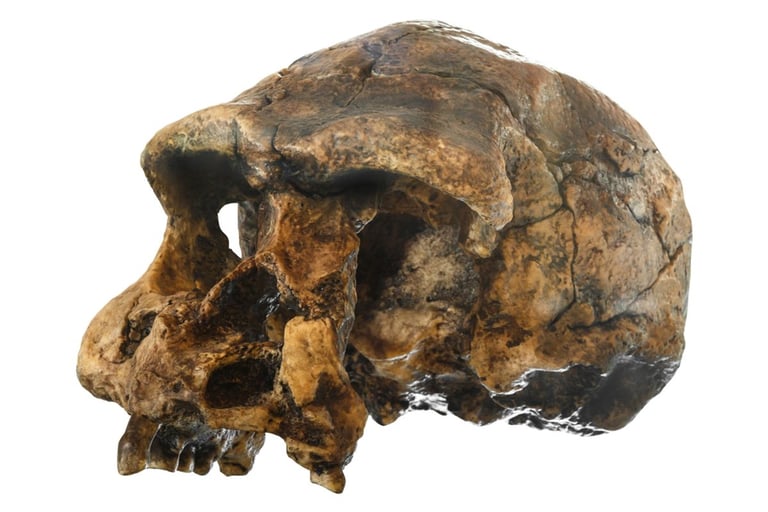

A Nature study of enamel proteins from six Homo erectus teeth reveals two AMBN amino acid variants, AMBN(A253G) and AMBN(M273V), suggesting a genetic flow from Homo erectus to Denisovans and then to modern humans.
The research demonstrates paleoproteomics can recover molecular information from H. erectus and highlights the value of sampling across northern and southern China to understand molecular diversity and interactions with Denisovans during the Middle Pleistocene.
The proposed scenario posits interbreeding among H. erectus, Denisovans, and modern humans in Asia over 400,000 years ago, with Denisovans transmitting the shared variant to populations migrating out of Africa.
Experts caution that ancient protein analysis is in early stages and interpretations remain tentative, needing more fossils and molecular data for confirmation.
Some experts find the interpretation plausible but note there is no direct transmission evidence yet and convergent evolution or independent origins could explain the findings.
Researchers emphasize that understanding relationships among early human relatives is uncertain and depends on scarce fossil DNA, underscoring the need for more H. erectus fossils and genetic material.
Resolving how H. erectus relates to Denisovans and other ancestors will require additional fossil discoveries and molecular data.
The era’s species boundaries are ambiguous, with genetic and proteomic data showing overlap and possible misclassification of fossils labeled as H. erectus.
Methods include enamel acid-etch sampling, MALDI-TOF screening, LC–MS/MS analyses on multiple instruments, and data processing with MaxQuant, PEAKS Online, and pFind to derive consensus endogenous sequences.
Paleoanthropologists and geneticists stress molecular data’s crucial role in confirming interbreeding patterns and the role of H. erectus in human origins.
A key uncertainty remains whether the teeth are definitively H. erectus, given isolated finds and atypical tooth shapes compared with earlier Chinese H. erectus fossils.
The research team led by Qiaomei Fu calls for integrating proteomic data with broader fossil and genetic evidence to understand how H. erectus evolved into modern humans and its relationship to Denisovans.
Summary based on 11 sources
Get a daily email with more Science stories
Sources
Ars Technica • May 13, 2026
Protein in Homo erectus teeth suggests Denisovans gave us some of their DNA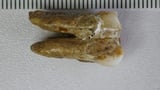
Gizmodo • May 13, 2026
This Human DNA Tweak Came From a Distant Relative—But Not in the Way You’d Think
Ediciones EL PAÍS S.L. • May 13, 2026
Protein reveals the oldest episode of sex and procreation among human species
Discover Magazine • May 13, 2026
Ancient Tooth Proteins Reveal Possible Link Between Homo erectus, Denisovans, and Modern Humans