First Screwworm Fly Case in U.S. Since 1960s Sparks Major Containment Effort in Texas
June 4, 2026


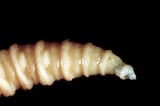
A New World screwworm fly has been detected in a calf in La Pryor, Texas, the first U.S. case since eradication in the 1960s, prompting a 20-kilometer containment zone.
USDA is expanding production and prevention capacity, converting a southern Mexican fruit-fly facility into screwworm production, opening a new dispersal center in southern Texas, and moving ahead with a $750 million U.S. screwworm fly factory; the Mexican facility is expected to be operational next month.
Border and surveillance efforts include about 8,000 fly traps along the U.S.-Mexico border, tens of thousands of tested samples from flies and wildlife, and restrictions on livestock imports from Mexico since last year to curb cross-border movement.
Texas Parks and Wildlife Department and Texas Animal Health Commission officials warn of broader risks to wildlife and rural communities if the outbreak is not contained and urge rapid reporting of suspected cases.
Some officials perceive the USDA response as slow or insufficient, calling for stronger federal action and resources to combat the pest.
Public outreach includes statements from Secretary of Agriculture Brooke Rollins and ongoing messages from USDA and FDA about the pest and eradication efforts.
Researchers and economists stress the gravity of a potential outbreak and the practical challenges of containment, highlighting overall risk and industry reaction.
Ground personnel are active and coordinating with partners to prevent transmission while monitoring the border, with USDA maintaining that the pest is not yet established in the U.S. and the risk remains very low.
USDA has conducted extensive on-the-ground testing and coordination as part of a broader surveillance effort.
Authorities and local partners are implementing containment protocols and working with local agencies to prevent spread.
Reuters reports the story with context from the USDA and ongoing border monitoring, noting Orlando as a source location.
If an outbreak expands, risks extend to other livestock and potentially humans, with vulnerable populations at higher risk.
Summary based on 25 sources
Get a daily email with more World News stories
Sources
Ars Technica • Jun 3, 2026
Flesh-eating screwworm infection detected in South Texas, USDA says
AP News • Jun 4, 2026
USDA confirms New World screwworm fly has arrived in Texas | AP News
Yahoo News • Jun 4, 2026
Screwworm fly detected in Texas decades after cattle threat was largely eradicated in US