New Study Uncovers Dual Role of Brain Cell Senescence in Development and Aging
June 16, 2026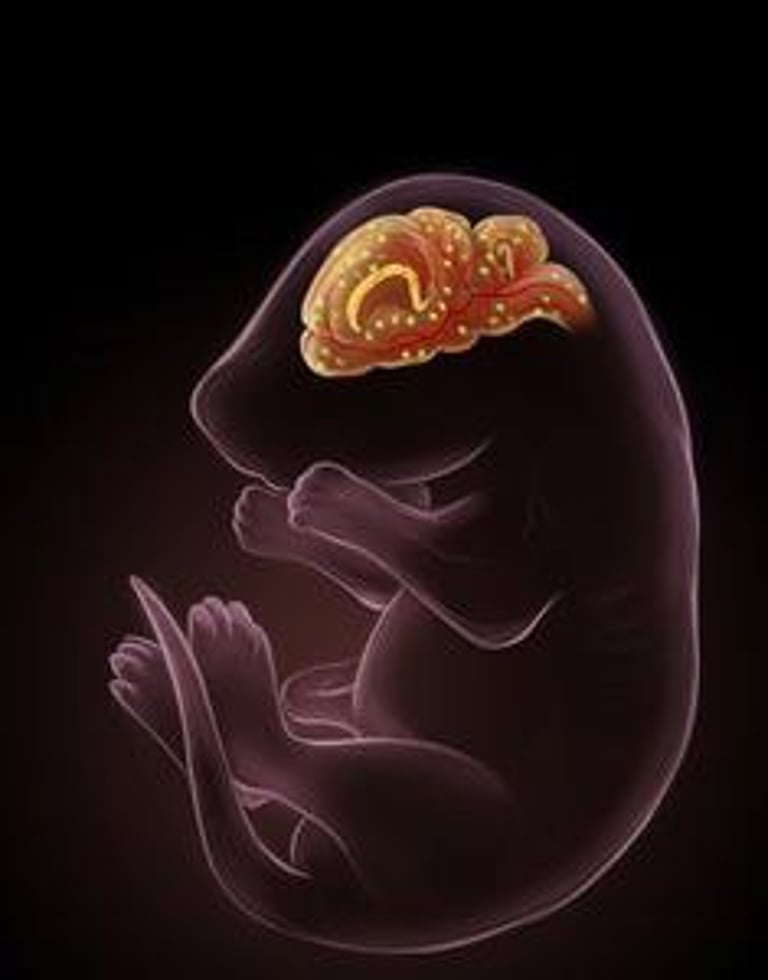

Three brain cell types enter a senescent state during development—vascular endothelial cells, brain-resident macrophages, and choroid plexus epithelial cells—each contributing to the formation and function of the blood-brain and blood-CSF barriers.
Developmental senescence is context-dependent: it can be transient and beneficial in development, but potentially harmful if persistent later in aging.
The study presents a nuanced view of cellular senescence, highlighting beneficial roles in development while noting possible relevance to brain diseases, as researchers seek to understand links to pathology.
The research was funded by the NIH (1R01HD115635-01) and UC San Diego departments, with authors including Ashley Watson, Meharena, and colleagues.
Persistent senescence in adult choroid plexus cells raises questions about its regulation and possible connections to age-related changes in brain fluid dynamics and infection susceptibility.
Summary based on 6 sources
Get a daily email with more Science stories
Sources
Neuroscience News • Jun 16, 2026
Senescent Cells Are Essential for Building the Brain’s Barriers
UC San Diego Homepage
Researchers Offer New Insights on Cells that Build Protective Brain Barriers
EurekAlert! • Jun 16, 2026
Researchers offer new insights on cells that build protective brain barriers
Newswise • Jun 16, 2026
Researchers Offer New Insights on Cells that Build Protective Brain Barriers | Newswise