Global Satellite Tech to Revolutionize River Water Quality Monitoring and Combat Algal Blooms
June 19, 2026

The project analyzes five decades of global river data to understand nutrient dynamics and develop early warning systems for managers before blooms occur.
Rivers are vital for drinking water and urban populations, with 90% of the world’s people living within six miles of a river, underscoring their long-term importance and the challenges of study due to variability and accessibility.
Nature Water papers discuss mitigating risks from nutrient pollution and algal blooms through satellite data and modeling, signaling a shift toward global river science.
A team of hydrology experts proposes using satellite remote sensing combined with computer modeling to study global river water quality, enabling both global-scale surveillance and river-specific analyses that account for diverse climates, environments, and human impacts.
This approach aims to monitor rivers in real time and identify nutrient influxes that trigger harmful algal blooms, thereby anticipating water treatment challenges before they arise.
Eutrophication results from nutrient over-enrichment, leading to algal blooms, reduced light for aquatic plants, decomposition, and potentially dead zones and fish die-offs.
The study notes that nutrient pollution affects a substantial portion of U.S. rivers and has global relevance for protecting drinking water and aquatic ecosystems.
Toxic cyanobacteria pose health risks and drive expensive, multi-step water treatment, underscoring the practical stakes of improved river monitoring and nutrient management.
Feng Dongmei received both NSF and NASA grants to study river nutrient dynamics and develop an early-warning system for toxic algal blooms affecting drinking water.
Researchers aim to track nutrient transport from rivers to estuaries and oceans to better understand nutrient dynamics and ecosystem health.
The project includes collaboration with the Greater Cincinnati Water Works to implement an early warning system for the Ohio River to protect drinking water sources.
This integrated approach could support smarter water management and protection of drinking water sources for cities worldwide.
Summary based on 3 sources
Get a daily email with more Science stories
Sources

EurekAlert! • Jun 17, 2026
How satellite technology can protect the world's drinking water
University of Cincinnati • Jun 18, 2026
Scientists want to monitor every river from space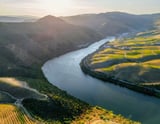
Earth.com • Jun 18, 2026
Scientists want to monitor every river on Earth from space