Round Goby Invasion: Rapid Spread Threatens Great Lakes Ecosystem and Economy
July 5, 2026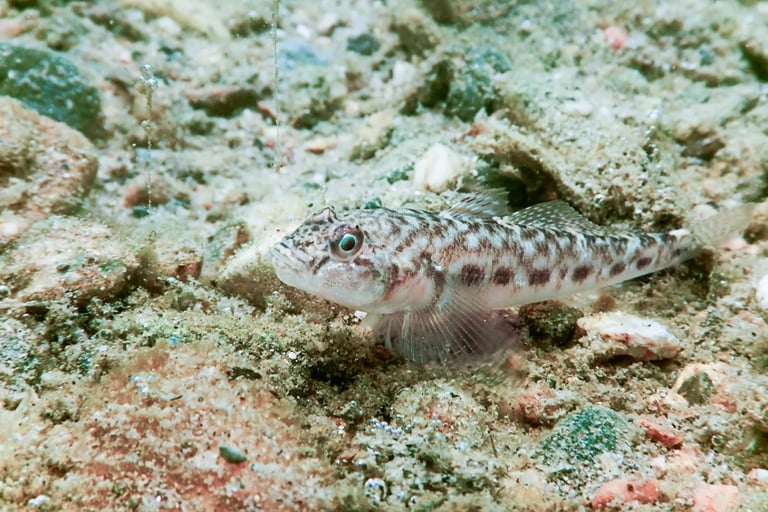

Their feeding on mussels can transfer contaminants like PCBs up the food chain, potentially affecting larger predator fish.
Commercial shipping appears to have facilitated the goby’s spread between distant Great Lakes ports, with genetic evidence pointing to multiple introductions across the basin.
Researchers say the spread is not finished: arrivals above dams are likely aided by anglers, boats, bait buckets, and gear, underscoring ongoing risk and the need for monitoring and control.
Round gobies compete with native bottom-dwelling fish for shelter and spawning sites and prey on eggs and young of species such as lake trout, lake sturgeon, and smallmouth bass, intensifying ecosystem pressure.
Ecological impact also includes potential changes in contaminant transfer as gobies feed on mussels that accumulate pollutants, adding to native species' stress.
As a thumb-sized invader, the goby has reached densities exceeding 100 individuals per square meter in some areas, marking a dramatic ecological shift.
The round goby, native to the Black, Azov, and Caspian seas, was first detected in the St. Clair River in 1990 and rapidly spread to all five Great Lakes within about five years, aided by ballast water discharge from cargo ships.
Genetic evidence indicates multiple, independent introductions across the basin, with some goby populations more closely related to distant groups than nearby ones.
Overall, the goby invasion poses significant ecological and economic concerns for the Great Lakes, affecting water quality, fisheries, and local communities.
Experts describe the invasion as one of the fastest fish takeovers on record, driven by rapid breeding, broad tolerance, and aggressive habitat use, with human activity continuing to spread them beyond dams.
Predators such as walleye, yellow perch, smallmouth bass, and the Lake Erie watersnake have started to incorporate gobies into their diet, signaling partial ecological integration amid ongoing disruption.
Gobies have benefited from zebra and quagga mussels that altered the lake floor, creating concentrated food and shelter resources, while some predators like walleye, yellow perch, smallmouth bass, and the Lake Erie watersnake have begun to adapt to feeding on gobies.
Summary based on 2 sources
Get a daily email with more Science stories
Sources
Yahoo News • Jul 5, 2026
Thumb-sized Black Sea fish now carpets the Great Lakes floor, and it's still spreading
The Cool Down • Jul 5, 2026
Thumb-sized Black Sea fish now carpets the Great Lakes floor, and it's still spreading