Groundbreaking Study Unveils How Influenza A Hijacks Human Cells, Offering New Antiviral Targets
July 20, 2026

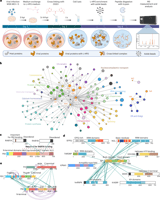
A multinational study led by EMBL Hamburg tracks how influenza A virus reprograms infected human cells by directly mapping virus–host protein interactions inside intact cells, using an advanced XL-MS approach combined with AlphaFold modelling, and reports the findings in Nature Microbiology.
The methodology could illuminate actionable antiviral targets and potentially be applied to viruses of pandemic relevance, such as H5N1.
Paraspeckles, non-membrane nuclear compartments that store proteins and RNA, disassemble during infection, releasing resources that aid viral replication and may weaken the cell’s defenses.
Glycoprofiling reveals site-specific changes in HA glycosylation when certain host processing factors are knocked down, outlining how host glycosylation steps shape HA maturation during infection.
Functional siRNA screens identified host factors that influence IAV replication, with RAB11A knockdown strongly reducing replication and LAT1 complex components showing context-dependent effects.
The early secretory pathway of HA was mapped by XL-MS, showing sequential contacts with ER chaperones, trafficking lectins, and Golgi enzymes, with perturbations in these factors affecting HA maturation and viral replication.
The international study, conducted by EMBL and partners, was published on July 20, 2026.
The work involved collaboration across Charité, EMBL Hamburg, EMBL Proteomics Core Facility, and CSSB, with distinct components (XL-MS, glycoproteomics, AlphaFold modelling, and microscopy) performed at specialized facilities.
Shared infrastructure across institutions supported XL-MS, glycoproteomics, AlphaFold-based modelling, and advanced microscopy, underscoring the multi-disciplinary nature of the effort.
The study was led by researchers at EMBL Hamburg and includes contributors from FMP and Charité, with leadership roles for Jan Kosinski and Iuliia Kotova among others.
Dismantling paraspeckles may supply components for viral production while dampening cellular immune responses, offering a dual advantage to the virus.
The SHVIP approach enriched newly synthesized viral proteins and revealed numerous viral–host cross-links, including interactions with RAB11A, KHSRP, TDP-43, ANP32A/B, nucleosomes, microtubules, and chaperonins, highlighting functional relevance in infection.
Summary based on 8 sources
Get a daily email with more Science stories
Sources

EurekAlert! • Jul 20, 2026
Scientists map how the flu virus rewires the human cell from the inside
CPG Click Oil and Gas • Jul 20, 2026
Flu virus “hijacks” human cells, dismantles nucleus structures, and turns the organism into a factory for new copies.
Asianet Newsable • Jul 20, 2026
Breakthrough study reveals how influenza A rewires infected cells