High-Fat, Sugary Diets Impair Gut-Brain Communication, Affect Memory: Study
July 29, 2026

Future work should seek human confirmation, aiming to integrate gut health and brain function in learning and memory.
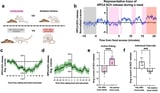
A study shows gut-to-brain signaling via the vagus nerve modulates hippocampal acetylcholine release and enhances spatial memory encoding for locating food.
Vagus nerve stimulation and gut-health strategies could become memory-supportive therapies, though confirmation in humans is still needed.
Long-term consumption of high-fat, high-sugar diets weakens gut-hippocampus connections, impairing memory even after a switch to healthier foods.
Disrupting acetylcholine signaling along the vagus nerve diminishes the cognitive response tied to eating, underscoring the importance of gut-brain communication for cognition.
Caveat: the study was conducted in male rats, and results may not fully generalize to humans, necessitating further research for clinical applicability.
The research was led by Scott Kanoski (USC) with Logan Lauer as first author and involved multiple collaborators, funded by NIH institutes and Alzheimer's associations.
Findings align with broader health guidance that a healthy diet supports cognitive function across life.
Therapeutic prospects include vagus nerve stimulation and other interventions targeting gut-brain communication to enhance memory and address cognitive issues.
The proposed mechanism may have evolved to help animals remember food sources; potential human applications include vagus nerve stimulation to strengthen gut-brain signaling and memory.
Findings suggest links between disrupted gut-brain signaling, acetylcholine in the hippocampus, and cognitive decline, with relevance to neurodegenerative diseases like Alzheimer's.
Implications extend to obesity and diabetes, raising questions about gut signaling's role in memory and the potential for gut-brain–targeted strategies to preserve cognition.
Summary based on 5 sources
Get a daily email with more Science stories
Sources
Hackaday • Jul 28, 2026
How The Vagus Nerve Promotes Healthy Cognition Via Acetylcholine Signaling
Neuroscience News • Jul 27, 2026
Vagus Nerve Gut Signals Drive Spatial Memory
ScienceDaily • Jul 29, 2026
Your gut may help your brain decide what to remember
ScienceAlert • Jul 29, 2026
Scientists Discover a Vagus Nerve Signal That Links Food Directly to Memory Formation