First Successful Breeding of Pine Martens on Exmoor Sparks Conservation Hope
July 30, 2026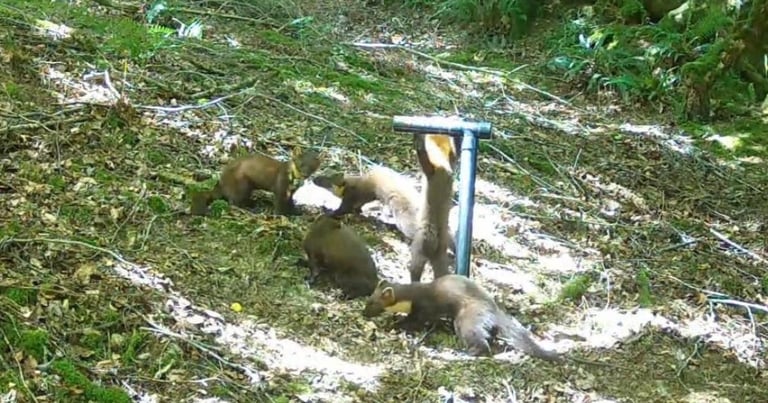


Conservationists emphasize the breeding success confirms that Exmoor and Dartmoor are suitable habitats, but the population remains small, fragmented, and vulnerable to threats like road traffic and poisoning.
Experts note martens have low population density and slow reproductive rates, making populations vulnerable to road incidents and poisoning, underscoring the need for ongoing monitoring, public sightings, and citizen science involvement.
The team is calling for anyone in Devon, Somerset, or Cornwall who spots a pine marten to report it to help track progress.
Project leaders encourage the public in Devon, Somerset, and Cornwall to report pine marten sightings to aid tracking and study.
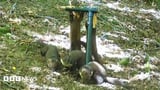
New footage confirms pine martens released on Exmoor are breeding, with a female and four kits observed in Exmoor woodland, marking the first proof of successful breeding in the area.
The Two Moors Pine Marten Project, led by Devon Wildlife Trust, released 15 martens to Dartmoor in 2024 and 19 to Exmoor in 2025 as part of a national effort to re-establish a sustainable breeding population in the South West.
Exmoor has recorded its first pine marten kits, signaling a breakthrough in the reintroduction scheme that released 19 pine martens on Exmoor in September and 15 on Dartmoor in 2024.
Experts acknowledge the comeback is in early stages, requiring continued public support, monitoring, and reporting of sightings to track progress and guide conservation actions.
The project is seeking further sightings and photographic evidence from the public and landowners, with contact and participation details provided for citizen science and woodland surveys.
Project officials highlight the importance of long-term collaboration, local community engagement, and continued monitoring to support nature recovery in Exmoor National Park and surrounding areas.
Residents Tim and Rachael D. contributed by providing footage of a mother with two kits in the Wray Valley, demonstrating local citizen involvement in monitoring.
Ecologists emphasize that the population remains small and vulnerable, with risks from road traffic and poison, underscoring the need for ongoing monitoring, public support, and reporting of sightings.
Summary based on 4 sources
Get a daily email with more Science stories
Sources
BBC News • Jul 29, 2026
Birth of pine marten kits 'a fantastic sign' for Exmoor comeback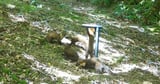
Oxford Mail • Jul 30, 2026
First pine marten kits spotted in Exmoor in success for reintroduction scheme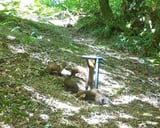
Fundraising regulator logo • Jul 29, 2026
New kits spell success for pine marten reintroduction on Exmoor | Devon Wildlife Trust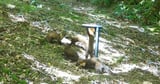
Chester and District Standard • Jul 30, 2026
First pine marten kits spotted in Exmoor in success for reintroduction scheme