Cyclospora Surge: UK Travellers Warned of Infection Risk After Visiting Mexico
July 30, 2026


Common outbreak sources include herbs, salads, and soft fruits, with Cyclospora not native to the UK and no person-to-person spread.
A sharp rise in Cyclospora infections is being seen among travellers returning to the UK, with 67 cases recorded between late April and mid-July, most linked to travel to Mexico.
Notably, Cyclospora is not endemic to the UK but travel-related risk is present from Central/South America, parts of Asia, the Middle East, and Africa, with a major US outbreak linked to iceberg lettuce from central Mexico.
Public guidance urges travellers to practice strict food and water hygiene, drink bottled water, eat thoroughly cooked foods, and avoid high-risk items like uncooked berries, unwashed herbs, unpeeled fruits, and salads; seek medical care if symptoms develop and report travel history to clinicians.
Health officials, including Dr. Veal, reiterate seeking medical care after travel if symptoms arise and informing clinicians about travel; TravelHealthPro offers additional guidance.
Public health officials are coordinating with ABTA, Mexican health authorities, NaTHNaC, and TravelHealthPro to inform travellers and guide investigations and precautionary measures.
Among travel-identified cases, the majority (48 of 52) had visited Mexico, with exposure across multiple hotels in the Riviera Maya and Cancun and a range of all-inclusive packages, involving various foods and drinks.
Cyclospora infection results from ingesting contaminated food or water, as the parasite's eggs release spores in the small intestine and symptoms emerge after a delay.
Prevention centers on avoiding contaminated sources, ensuring foods are thoroughly cooked and cleaned, and heating foods to about 70°C; the NHS notes Cyclospora is not endemic to the UK but travel-related risk exists from affected regions in the Americas, Asia, the Middle East and Africa.
There is no vaccine; diagnosis is by stool testing and treatment typically spans seven to ten days of antibiotics, with higher risks for young children, older adults, and the immunocompromised.
Cyclosporiasis is transmitted through contaminated food—especially herbs, salads, and soft fruits—and does not spread person-to-person in the UK, where it is not endemic.
While infections are usually mild and self-limiting, they can be severe for immunocompromised individuals; there is no sustained human transmission in the UK.
Summary based on 5 sources
Get a daily email with more World News stories
Sources

The Independent • Jul 30, 2026
Cyclospora outbreak: Symptoms to know as cases of explosive diarrhoea spread across UK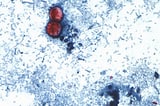
The Independent • Jul 30, 2026
Cyclospora: Explosive diarrhoea infections spread to UK as officials issue holiday warning
Daily Mirror • Jul 30, 2026
UKHSA issues explosive diarrhoea warning as cyclospora cases surge – see symptoms
Wales Online • Jul 30, 2026
Symptoms listed as 'explosive diarrhoea' bug cases rise sharply