Study Explores Social Media's Impact on Youth Academics Amid Global Restrictions and Policy Debates
August 3, 2026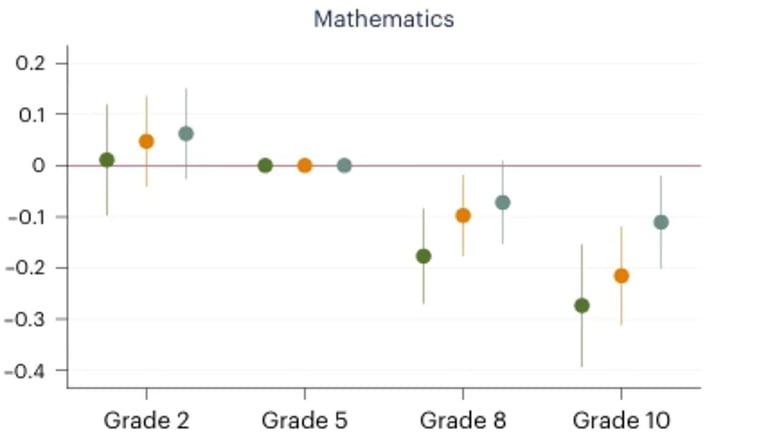


Observational study design means causation cannot be established; other factors like family circumstances, socioeconomic background, or personality could influence both early social media use and lower academic performance.
Researchers controlled for parental education and socioeconomic background, arguing for a potential causal link, though not all mediating factors were directly tested.
The analysis uses robustness checks and matching to address confounding, including student fixed effects and several supplementary analyses of outcomes such as grades and self-efficacy.
The study sits within a broader international trend toward restricting under-16s’ social media, with policy details highlighted from the UK, including curfews and changes aimed at reducing engagement for older teens.
There is scrutiny of major platforms over design features seen as addictive (infinite scroll, autoplay), with potential financial implications for big players like Meta, ByteDance, and Google.
Findings show rapid early device access, with many students owning smartphones by early secondary years and social media profiles appearing mostly in later middle school, while some delay until grades 9.
A Spanish scholar cautions that banning technology isn’t the solution; instead, education should help youths navigate digital media responsibly.
A proposed mechanism centers on smartphones keeping students in a constant alert state, reducing time and cognitive engagement for homework and real-world activities.
Policy suggestions include delaying social media access until children are cognitively mature enough to manage distractions, while acknowledging uncertainty about content versus total screen time effects.
Findings are placed within a broader debate on digital tech, well-being, and learning, contextualized by prior longitudinal and meta-analytic work.
The study includes multiple robustness checks and examines additional outcomes like Italian and Math grades, grade repetition, excellent marks, and academic self-efficacy.
The authors emphasize the goal is safer platforms and reduced addictive pull for pre-adolescents, not a blanket ban.
Summary based on 9 sources
Get a daily email with more World News stories
Sources

Gizmodo • Aug 3, 2026
Early Social Media Use Linked to Lower Grades Years Later, Study Finds
The Guardian • Aug 3, 2026
Children using social media at younger age appear to do worse in school tests
Nature • Aug 3, 2026
Negative influence of early social media use on school outcomes