Innovative Chewing Gum Shows Promise in Targeting HPV-Linked Oral Cancer Microbes
August 4, 2026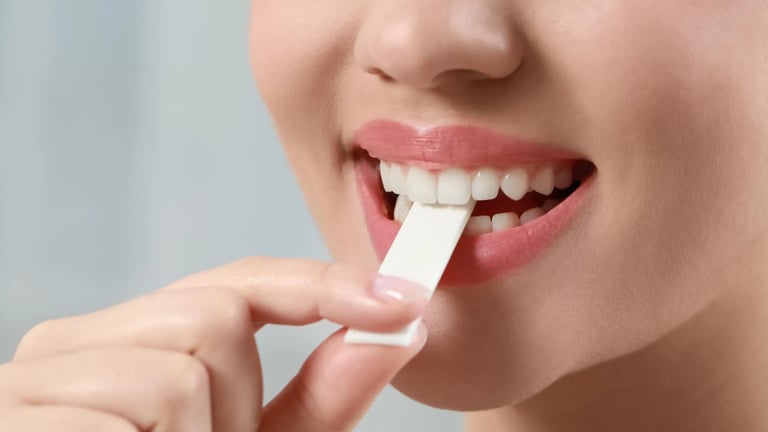

A bioengineered chewing gum containing the antiviral protein FRIL targets microbes linked to head and neck cancer, showing strong reductions in HPV and two bacteria in patient-derived oral samples.
Unlike conventional treatments, the gum approach could reduce harmful microbes while preserving the oral microbiome, potentially lowering radiation-therapy–related side effects.
Building on prior work with lablab (bean) gum, the researchers aim to modulate the oral microbiome to complement cancer therapies or serve as prophylaxis, possibly improving quality of life and survival.
Funding for the project comes from NIH grants, UCLA Academic Senate, and the National Cancer Institute Cancer Center Support Grant.
The research involves multiple institutions and teams, supported by NIH, UCLA Academic Senate, and the NCI Cancer Center Support Grant.
Current work is at an early laboratory stage using patient samples, with plans to progress toward clinical trials as an adjunct to therapy or as a preventive measure against infection and transmission.
The study was led by Henry Daniell of Penn Dental Medicine, in collaboration with the University of Kansas Medical Center, UCLA, and the VA Greater Los Angeles Healthcare System, and published in Scientific Reports.
Key researchers include Daniell and collaborators across Penn Dental Medicine, KU Medical Center, UCLA, and the Veterans Affairs system, with publication in Scientific Reports.
The research highlights the rising global incidence of HPV-associated oropharyngeal cancer and positions the FRIL gum as a low-cost, accessible option that could augment standard treatments or act preventively, pending clinical validation.
Researchers emphasize the need for therapies that work alongside existing treatments or prevent infection and transmission amid the HPV-related cancer rise.
The work suggests the gum could improve quality of life and survival and advocates for clinical trials to explore adjuvant or prophylactic use.
One dose demonstrated substantial antimicrobial effects without harming beneficial oral bacteria, indicating potential as an adjunct to therapy or a preventive measure.
Summary based on 3 sources
Get a daily email with more Science stories
Sources
Economic Times • Aug 4, 2026
Researchers develop chewing gum that targets HPV and microbes linked to head and neck cancer
Rolling Out • Aug 4, 2026
Cancer-fighting gum slashes HPV by 93% in stunning study
ScienceDaily • Aug 4, 2026
Cancer-fighting chewing gum cuts HPV levels by up to 93%