COVID-19 Reactivates Dormant Viruses, Offering Clues for Long COVID Treatment
August 5, 2026

A multi-institutional Nature study shows that COVID-19 reactivates dormant viruses in hospitalized patients, expanding the understanding of chronically infecting viruses and their potential role in long COVID.
In long COVID, Anelloviridae are more prevalent among those with physical deficits, suggesting a possible biomarker for persistent impairment, with the signature remaining consistent from acute to convalescent stages.
Clinicians could test for reactivated viruses with existing diagnostics and may treat herpes-family viruses with antiviral drugs; the next step is to determine whether identifying and treating reactivated viruses improves outcomes for both acute and long COVID patients.
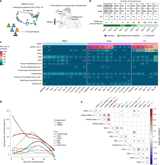
Immune responses show virus-specific patterns: EBV in PBMCs links to plasmablast expansion and higher EBV antibodies, while CMV associates with central memory T cell increases; both EBV and CMV relate to broader T cell activation when detected in multiple compartments.
Transcriptomic analyses reveal nasal reactivation of EBV, CMV, and HSV1 tied to upper-airway gene expression changes and pathways involving interleukin signaling, lymphocyte interactions, and neutrophil degranulation; PBMC signatures show RNA processing and translation downregulation with Anelloviridae and CMV, and replication pathways upregulated with EBV, CMV, HSV1.
Anelloviridae transcripts in PBMCs associate with transplant history, immunosuppressive medication use, shock, ICU admission, and myocardial infarction, indicating immunosuppression as a key driver of reactivation.
Boston Children’s Hospital researchers and collaborators from 15 institutions led the study, with Joann Diray Arce and Ofer Levy steering site and data coordination within the Precision Vaccines Program.
Key contributors from Boston Children’s include Ofer Levy and Joann Diray Arce, with researchers like Jing Chen, Annmarie Hoch, Al Ozonoff, Kinga Smolen, and Hanno Steen helping drive the work.
Reactivation occurred even in individuals with otherwise healthy immune systems, challenging the notion that only immunocompromised people experience bystander viral awakenings, though some participants were on immunosuppressants.
Plasma metabolomics show virus-associated shifts, including increases in urea, TMAP, long-chain fatty acids, and arginine metabolism alterations, with CMV often exerting the broadest impact; a shared signature includes reductions in certain metabolites like S-methylcysteine sulfoxide and 6-bromotryptophan.
Nearly half of participants showed reactivation of latent viruses, including CMV, EBV, and anelloviruses, which are typically harmless.
Limitations include an unvaccinated cohort infected early in the pandemic, raising questions about generalizability to today’s variants and immunity.
Summary based on 6 sources
Get a daily email with more Science stories
Sources
Nature • Aug 5, 2026
Virus reactivation in acute and long COVID-19
Nature • Aug 5, 2026
COVID can wake up a slew of dormant viruses inside you
Dell Medical School • Aug 5, 2026
UT-led study finds COVID-19 can awaken hidden viruses throughout the… | Dell Medical School