Tuft Cell Transcriptional Networks: Unlocking Cancer's Hidden Vulnerabilities and Therapeutic Targets
August 7, 2026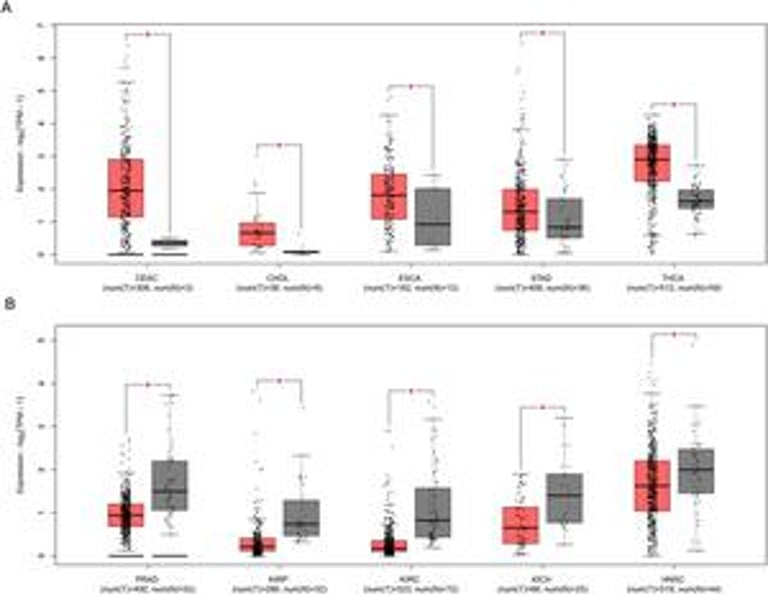

A tuft cell–driven, non-neuroendocrine subtype of small cell lung cancer is defined by POU2F3 and its tuft cell transcriptional networks, suggesting unique dependencies and potential therapeutic vulnerabilities; similar tuft cell–like signatures appear across lung and thymic cancers.
Tuft cell–like tumors constitute a cross-organ molecular class with implications for improved diagnosis, prognosis, and targeted therapies, though effects vary by cancer type and stage.
analyses based on TCGA show higher POU2F3 expression in several cancers such as cervical squamous cell carcinoma, cholangiocarcinoma, esophageal carcinoma, stomach adenocarcinoma, and thyroid carcinoma, with lower expression in prostate, kidney, and head and neck squamous cell carcinoma, indicating tumor-specific tuft cell programs.
The review in Genes & Diseases (2026) by Mengling Ye and colleagues synthesizes mechanistic and translational implications of tuft cell–like tumors and outlines avenues for future research and clinical impact.
In pancreatic cancer, tuft cells may initially suppress tumor formation via prostaglandin D2, but later KRAS-driven inflammation reprograms them to promote progression, confer stem-like properties, and contribute to treatment resistance, including possible neural-like progenitor states linked to poor outcomes.
Pancreatic tuft cells exhibit a dual role: early tumor-suppressive prostaglandin D2 production followed by pro-tumor inflammation and stemness under oncogenic signaling, with possible neural-like transdifferentiation indicating aggressive disease.
In colorectal cancer, tuft cell signaling supports immune suppression and cancer stem cell maintenance, fueling metastasis and resistance via modulation of the tumor microenvironment.
Gastric cancer involves tuft cell–driven cholinergic signaling, including acetylcholine and nerve growth factor, promoting tumor development, nerve-tumor interactions, and inflammation; disrupting these circuits shows anti-tumor effects in models.
Across gastric and colorectal cancers, tuft cell activity shapes the tumor milieu through cholinergic and immune-modulatory pathways, suggesting potential therapeutic avenues by targeting these networks.
Summary based on 3 sources
Get a daily email with more Science stories
Sources
BIOENGINEER.ORG • Aug 6, 2026
Tuft Cell-Like Tumors Reveal New Cancer Subtype With Distinct Biology,
News-Medical • Aug 7, 2026
Tuft cell-like cancers exhibit unique biological characteristics across multiple organs