Ospreys Breed Successfully at RSPB Campfield Marsh, Marking Milestone for England's Bird Conservation
August 10, 2026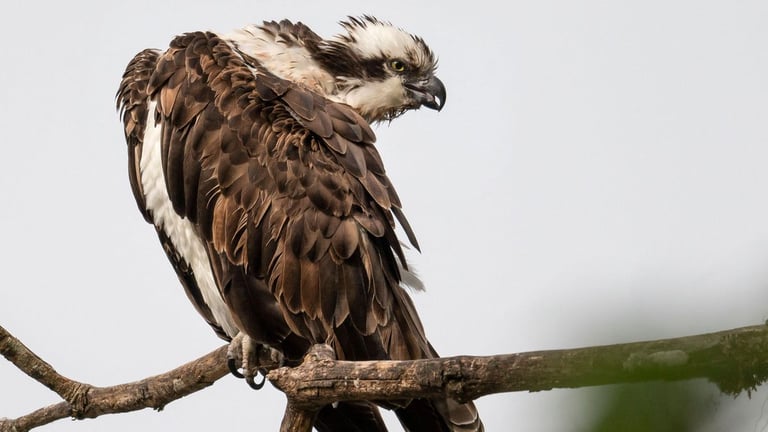


A pair of ospreys bred at RSPB Campfield Marsh in Cumbria, England, marking the first documented breeding success for ospreys at an RSPB reserve in England, with three chicks hatched in June and the eggs laid between late April and early May.
After fledging, the chicks are expected to stay in the area briefly to learn fishing and survival before beginning the long migration to Africa from September.
The three chicks have been named Ash, Bowness, and Beau, with local primary school involvement in the naming.
Observers noted the tender behavior of the ospreys and their playful nest-keeping antics, adding humor to the parenting scene.
Ospreys are typically site- and partner-faithful, raising hope for more offspring at Campfield Marsh in the future.
The milestone underscores ongoing osprey recovery in the UK, with Scotland a current stronghold and recolonization expanding across the country.
Eggs were laid from April 30 to May 6, and the three chicks hatched in June, with fledging anticipated in August.
The ospreys are part of a rare migratory species returning to the UK; Campfield Marsh provides an osprey platform to attract them as about 316 pairs are now estimated nationwide.
Site manager Mhairi Maclauchlan expressed excitement and emphasized the importance of osprey family life and the potential return of offspring to the reserve.
RSPB highlights the breeding milestone for England and notes that leg rings will help researchers monitor the chicks’ movements and future breeding choices.
The male osprey involved was ringed in Dumfries in 2021; the female’s age and origin are unknown, and both are believed to be first-time parents.
Historically driven to near extinction in the early 20th century, ospreys recovered in Scotland in the 1950s and have since recolonised other parts of the UK.
Summary based on 2 sources
Get a daily email with more Science stories
Sources
BBC News • Aug 10, 2026
Osprey chicks hatch at RSPB's Campfield Marsh for first time
Rayo • Aug 10, 2026
Rare ospreys breed at RSPB reserve in England for the first time