Cyclosporiasis Outbreak Linked to Recalled Lettuce Sickens Nearly 32,000 Nationwide
August 20, 2026


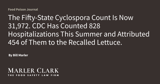
The nationwide cyclosporiasis outbreak linked to recalled Taylor Farms de Mexico iceberg lettuce has reached about 31,972 illnesses as of Aug. 21, with 454 hospitalizations and two deaths; illnesses began from mid-June and continued into August.
Epidemiologic and traceback data point to iceberg lettuce from Taylor Farms de Mexico as the source, and the best-by dates on these recalled products have passed, so they should no longer be on shelves or in restaurants, per the FDA.
Recent data suggest infections may be tapering as of mid-August, though the outbreak remains not fully resolved and new cases can still arise from July exposures.
Experts caution that true case counts are uncertain due to reporting differences and asymptomatic infections, underscoring the need for ongoing vigilance and science-focused reporting.
States like Michigan have seen a recent decline in new infections, but total counts may be underestimated because not all infections are diagnosed or reported.
Laboratory-confirmed cases and reporting can lag by weeks, with symptoms typically appearing about two weeks after exposure and CDC data reflecting cases after roughly six weeks.
New Florida data show eleven of the recent cases were concentrated in Bay County in the Florida Panhandle.
Since May 1, Florida has documented roughly 450 cyclosporiasis cases through mid-August 2026.
Nationwide, more than 15,700 lab-confirmed cases and 828 hospitalizations have occurred since May, with about 11,841 additional cases under investigation; two deaths have been reported.
CDC’s outbreak tally notes 828 hospitalizations among lab-confirmed cases, with many hospitalizations not tied to a named food source, highlighting under-attribution in the official counts.
State reports show significant variation and undercounts are likely due to reporting differences across jurisdictions.
Forty states have published a 2026 count contributing to the national total, while nine states have not; overall numbers are likely higher due to underdiagnosis and underreporting.
Summary based on 3 sources
Get a daily email with more US News stories
Sources

Scientific American • Aug 21, 2026
Is lettuce safe to eat yet? New data suggest cyclosporiasis cases are slowing
WUSF • Aug 20, 2026
Florida cyclosporiasis count continues downward trend in most recent data