Yeast-Based Vaccine Offers Hope for Faster, Broader Flu Protection
August 24, 2026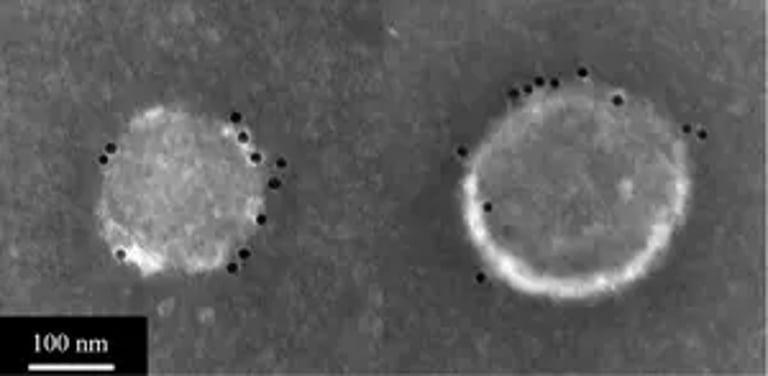


A yeast-based manufacturing platform for influenza vaccines is advancing toward replacing the traditional chicken-egg method by producing virus-like particles that display the conserved M2 protein and lack viral genetic material, which protected mice against three flu strains in preclinical testing.
The M2-focused virus-like particle approach concentrates the immune response on a conserved target, aiming for cross-subtype protection rather than protection against only current strains, with potential for longer-lasting immunity.
The technology has been licensed to Esperovax for development of an oral vaccine, with ongoing funding and collaboration through university programs to push toward practical formulations.
Funding for the research came from the University of Michigan College of Engineering and the NSF CAREER program, and results were presented at the ACS Fall 2026 conference.
The study, partly funded by an NSF CAREER Award, was presented at the American Chemical Society Fall 2026 conference and envisions a future single shot that could provide long-term protection against multiple flu strains.
Future work includes assessing durability and breadth of immunity, optimal immune mechanisms, and efficacy in humans, as well as exploring dose control, stability, and safety for potential oral formulations.
Early neuromodulation findings show low-frequency stimulation of the motor thalamus may improve speech and swallowing after traumatic brain injury, with data suggesting enhanced control of facial and tongue muscles.
Reducing stimulation frequency from high to low appears to enhance speech-related motor outcomes, supporting further research into neuromodulation for post-TBI communication deficits.
The platform could extend beyond injections to oral vaccines, leveraging fermentation technology, with ongoing presentations planned at the ACS Fall 2026 meeting in Chicago.
While preclinical and in mice, the results are preliminary; questions remain about duration of protection, breadth across more strains, and translation to human trials.
In mouse studies of heart attack recovery, VEGF-A delivered via mRNA promoted growth of functional collateral arteries from capillaries and improved heart tissue repair, highlighting a pathway for cardiac vascular growth.
If validated, the approach could enable faster pandemic responses and provide baseline protection against seasonal and emerging influenza strains, including potential coverage of H5N1, though findings are still early and limited to animal models.
Summary based on 12 sources
Get a daily email with more World News stories
Sources
EurekAlert! • Aug 24, 2026
Yeast‑derived universal flu vaccine could someday replace yearly injections
BIOENGINEER.ORG • Aug 24, 2026
Yeast-derived universal flu vaccine may one day replace annual shots
BIOENGINEER.ORG • Aug 24, 2026
Universal Flu Vaccine Protects Mice Against Multiple Strains
Michigan Engineering News • Aug 24, 2026
New flu vaccine protects mice against multiple strains