Rare Near-Total Lunar Eclipse to Dazzle Americas: Watch Live or Find the Best Viewing Spots
August 25, 2026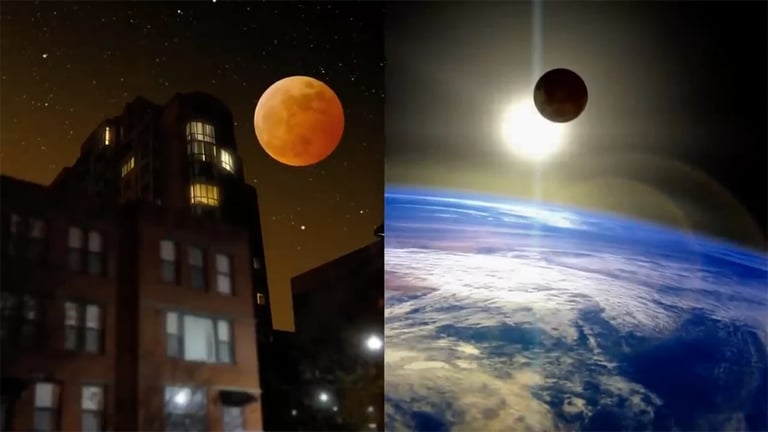


A near-total lunar eclipse is approaching, with about 96% of the Moon illuminated by Earth's shadow, making it a deep partial eclipse visible mainly across the Americas from Thursday night into Friday.
The official timeline places the eclipse in outer shadow at 9:23 p.m. EDT on August 27, with the partial phase starting at 10:33 p.m. EDT, the maximum at 12:12 a.m. EDT, the partial phase ending at 1:51 a.m. EDT, and the penumbral phase wrapping up at 3:01 a.m. EDT.
This eclipse occurs during an eclipse season, part of a twice-yearly pattern that allows both solar and lunar eclipses, and the next total lunar eclipse won’t occur until late 2027, making this a relatively rare sky show.
Viewers are encouraged to check the First Alert Weather app for the latest forecast.
Cloud cover is the main forecast challenge for Asheville observers, with conditions potentially changing as the forecast is updated days out.
Overall viewing depends on clear skies and a high, unobstructed southern-westerly horizon, with showers and low pressure likely in some areas leading to varying conditions.
Readers are invited to share eclipse photos via PinIt for possible display on ClickOrlando.com and TV.
Reporting is led by Anna Roman, service journalism correspondent for the News & Observer.
Best viewing locations include dark-sky sites with clear western horizons, such as Winklmoos-Alm in the Chiemgau Alps and other regions designated as dark-sky reserves.
In Bavaria, top spots include Winklmoos-Alm, the Rhön International Dark Sky Reserve, Dillberg, and Rothsee for optimal viewing.
A livestream of the event is available at timeanddate.com, with local context from Ken Brandt, director of the Robeson County Planetarium and NASA Solar System Ambassador.
The Volksternwarte München will host a morning eclipse event, though online tickets are sold out.
Summary based on 20 sources
Get a daily email with more Science stories
Sources
Time • Aug 25, 2026
Summer Is Ending With a 'Blood Moon' Lunar Eclipse. Here's What To Know.
Yahoo News • Aug 22, 2026
Near-total lunar eclipse is coming up with the Americas in prime position
Patch • Aug 25, 2026
Nearly A Blood Moon: When To See The Deep Lunar Eclipse In NJ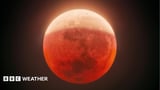
BBC Weather • Aug 25, 2026
Blood Moon partial lunar eclipse: How and when to see it in UK skies