Breakthrough Study Maps Autism Gene Network, Paves Way for Targeted Therapies
August 27, 2026

A large data-driven study maps how autism-linked genetic mutations rewire brain protein interactions, creating a molecular blueprint for potential targeted therapies.
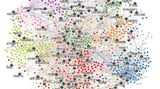
Using 100 autism risk genes, UCSF researchers identified over 1,800 protein-protein interactions, with 87% previously unreported, highlighting a dense network of convergent disruption.
AlphaFold-based structural predictions pinpoint direct interfaces, including a notable FOXP1-FOXP4 interaction; deleting FOXP4 reversed autism-like cellular phenotypes in human brain organoids.
The work signals a shift toward drug discovery built on interaction networks, with Nevan Krogan pursuing collaborations and planning a dedicated platform to develop such therapeutics.
Experts caution that translating these insights into therapies will require substantial time and further research before clinical applications emerge.
The study shows harm can arise from gain-of-function effects in partner proteins, not just loss of function, expanding therapeutic strategies around protein interactions.
Three therapeutic programs are already underway, aiming to treat autism by targeting protein interactions rather than single mutations.
Overall, the research offers a generalizable approach to connect disease-causing genetic variations to protein networks and therapeutic targets, potentially guiding drug development across diseases.
Protein interaction hubs converge on shared pathways, suggesting strategies like targeting interacting proteins or using molecular glues to modify disease phenotypes rather than mutating the primary genes.
The work underpins precision medicine efforts, with UCSF receiving a $46 million grant to translate these insights into therapies and to build a universal framework linking mutations to networks and targets.
Three ongoing drug-development programs draw on the map’s insights, signaling potential paths toward precision autism treatments in the near future.
The study aligns with broader trends in AI-powered structure prediction and protein-interaction data to uncover undruggable targets and accelerate early-stage drug discovery.
Summary based on 5 sources
Get a daily email with more Science stories
Sources
CNN • Aug 27, 2026
Largest ever ‘map’ of autism may hold clues for new targeted therapies
Kursiv.media • Aug 28, 2026
Largest autism protein map reveals shared pathways for targeted treatments
Fierce Biotech • Aug 27, 2026
Research into protein interactions sheds new light on causes of autism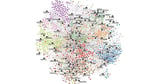
Local3News.com • Aug 28, 2026
Largest ever ‘map’ of autism may hold clues for new targeted therapies