Nobel Laureate Hideki Shirakawa, Pioneer of Conductive Polymers, Dies at 90
September 3, 2026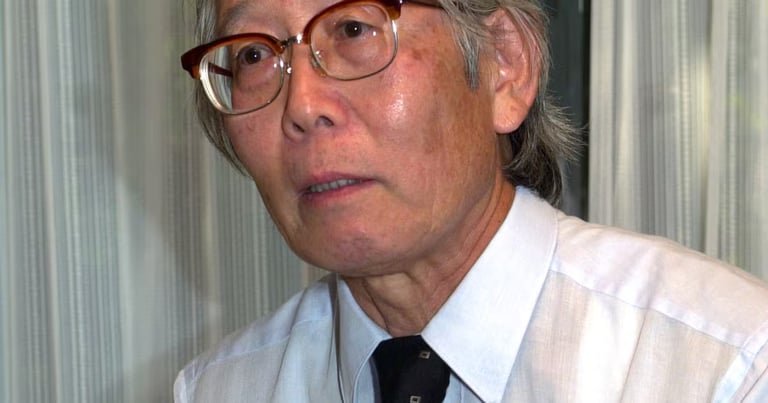


The discovery of conductive polymers challenged the belief that plastics are non-conductive and enabled lighter, flexible, and inexpensive materials for electronics, leading to applications in devices like solar cells and mobile phone screens.
Shirakawa shared the Nobel Prize in Chemistry with Alan Heeger and Alan MacDiarmid for discovering and developing conductive polymers that allow plastics to conduct electricity.
Shirakawa died on August 24, 2026, at a hospital in Yokohama, with the University of Tsukuba confirming his death; the cause was not specified.
He conducted pivotal research at the University of Pennsylvania starting in 1976 and later joined the University of Tsukuba in 1979, collaborating with his Nobel co-laureates on the conductive polymer work.
Jiji Press reported the announcement on September 3, 2026, highlighting Shirakawa’s long career in academia and his contributions to chemistry.
A Tokyo native born in 1936, Shirakawa earned a PhD from the Tokyo Institute of Technology in 1966, later teaching there and at the University of Pennsylvania before joining the University of Tsukuba, where he became professor emeritus.
The team’s 1977 work on the conductive polyacetylene film earned global acclaim and influenced subsequent advances in electronics, batteries, and mobile devices.
A pivotal moment came when a thin, lustrous film formed during polyacetylene synthesis at the Tokyo Institute of Technology, prompting the discovery of conductive polymers.
Today, conductive polymers like polyacetylene underpin modern touch screens and other electronics, illustrating the lasting impact of Shirakawa’s work.
Shirakawa, a co-winner of the 2000 Nobel Prize in Chemistry, died at age 90, marking the end of a landmark career in polymer science.
Shirakawa’s breakthrough established that plastics could be used in electronics, expanding potential applications for polymers in consumer technology.
Summary based on 8 sources
Get a daily email with more Tech stories
Sources

AP News • Sep 3, 2026
Japanese Nobel laureate in chemistry Shirakawa dies at 90 | AP News
Yahoo News • Sep 3, 2026
Japanese scientist Shirakawa, co-winner of 2000 Nobel Prize in chemistry, dies at 90
JIJI PRESS • Sep 3, 2026
Nobel-Winning Japanese Scientist Hideki Shirakawa Dies at 90
U.S. News & World Report • Sep 3, 2026
Japanese Scientist Shirakawa, Co-Winner of 2000 Nobel Prize in Chemistry, Dies at 90