Revolutionary HyperBird Tech Detects Grape Diseases Days Before Symptoms for Faster Intervention and Breeding
September 15, 2026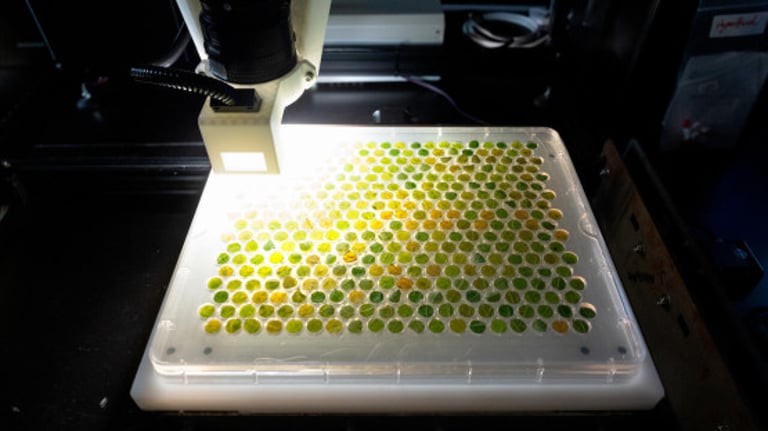

HyperBird is a hyperspectral imaging platform that detects grape diseases like powdery and downy mildew days before visible symptoms, enabling earlier interventions and faster development of disease-resistant grape varieties.
Developed by Cornell AgriTech researchers and collaborators, with support from ARS, USDA NIFA, and industry partners including Moblanc Robotics, as part of the VitisGen3 grape-breeding initiative.
Researchers demonstrated HyperBird’s ability to detect treatment effects by distinguishing fungicide and biofungicide residues and evaluating their effectiveness in the field.
Key studies in Plant Disease and Plant Phenomics show HyperBird automates high-throughput phenotyping for plant pathology, evaluates different disease-control treatments, and relates spectral signals to genetic breeding lines for resistance traits.
HyperBird builds on Blackbird by increasing spectral resolution about 200-fold and delivering three-dimensional per-pixel data, enabling detection of internal leaf changes related to disease.
Beyond grapes, HyperBird’s applications extend to other plants and diseases, with ongoing discussions with more industry partners to commercialize the technology.
HyperBird offers higher spatial detail and throughput, enabling analysis of hundreds of leaf samples in hours and reducing the detection window for disease cues from day six-nine to day three.
Summary based on 1 source
Get a daily email with more Science stories
Source
Cornell Chronicle • Sep 14, 2026
‘HyperBird’ spots grape diseases before they’re visible