ZMYND8: Key to T-Cell Activation, Offering New Hope for Cancer and Chronic Infections
September 23, 2026

Researchers at St. Jude identified ZMYND8 as a master regulator of CD8+ T-cell exhaustion, and in mouse models of melanoma and chronic viral infection, deleting ZMYND8 improves disease control and, when combined with checkpoint blockade or IL-2, further enhances survival.
The study shows ZMYND8 acts as an epigenetic brake on IL-2–STAT5 signaling, shaping the balance between exhausted and effector-like CD8+ T-cell states during chronic infection.
The findings were published in Nature by St. Jude researchers, with NIH and ALSAC support.
These results are preclinical, limited to mice and lab settings, and do not predict safety or efficacy in humans or pediatric tumors.
The research used single-cell CRISPR screening to identify ZMYND8’s role; there are currently no human trials or drugs targeting ZMYND8.
For families seeking treatment, rely on approved therapies and check ClinicalTrials.gov for open trials, noting access barriers like cost and travel to major centers.
CRISPR screens highlighted ZMYND8 (alongside Hdac4/Ep300 modules) as regulators of Tex programs, with ZMYND8 suppressing effector-like states and promoting Texterm differentiation.
Mechanistically, ZMYND8 binds and suppresses p300, lowering IL-2 receptor gene transcription and linking overstimulation to T-cell exhaustion.
Current clinical guidance remains unchanged: immunotherapy and checkpoint inhibitors are used where appropriate, with no ZMYND8-based therapies available.
Loss of ZMYND8 opens IL-2 target loci and strengthens IL-2–STAT5 signaling, boosting Tex states; co-deletion of ZMYND8 and STAT5B reverses enhanced effector differentiation.
Single-cell and multiome data show ZMYND8-deficient cells have increased effector-like programs and reduced exhaustion signatures across tissues, including lymphoid and non-lymphoid sites.
Human CD8+ T cells show conserved effects: ZMYND8 loss increases CD25/CD122, reduces PD-1 and TOX, and enhances cytotoxic cytokines under chronic stimulation, improving long-term persistence.
Summary based on 3 sources
Get a daily email with more Science stories
Sources

St. Jude Children’s Research Hospital • Sep 23, 2026
Targeting ZMYND8 improves T-cell function and may boost immunotherapy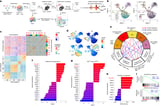
Nature • Sep 23, 2026
Targeting ZMYND8 unleashes IL-2 signalling to override T cell exhaustion