Revolutionizing CAR T Therapy: AI, Biomanufacturing, and New Strategies Propel Cancer and Autoimmune Treatments
September 24, 2026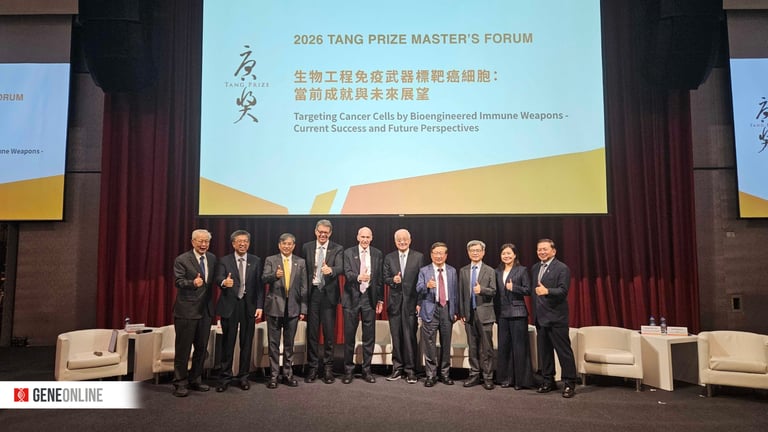

The evolution of CAR T therapy hinges on four pillars: efficient gene transfer, CD3-zeta signaling, second-generation CARs with CD28 costimulation, and robust clinical‑grade biomanufacturing that has paved the way for FDA approvals, with the conversation expanding into autoimmune diseases and solid-tumor strategies through advanced receptor architectures like 1XX CARs and HIT receptors.
AI-assisted target discovery identified GPNMB as a pan‑cancer target, while de novo binders designed via AlphaFold 3 to target mesothelin aim to improve the therapeutic index in solid tumors.
The Tang Prize Masters Forum brought together pioneers to discuss genetic engineering of lymphocytes and the future of living drugs, framed by translational insights from a panel of Taiwanese experts.
The forum synthesized 35 years of translational milestones with AI-driven target discovery and biomanufacturing advances to outline a strategic horizon for living therapeutics across oncology and autoimmune diseases.
Regulatory reform and local manufacturing bottlenecks were debated, with calls for more investigator-initiated trials, decentralization of biomanufacturing to hospital hubs, and pursuing in vivo delivery to bypass centralized constraints.
Panelists emphasized humanized antibody fragments for CAR T persistence, epitope spreading that can sustain remission even as CAR levels wane, and strategies to heat up cold tumor microenvironments with armored CAR T cells and AI‑identified antigens, while noting Taiwan’s regenerative medicine laws and its strengths in semiconductors and AI as enablers for automated, closed‑loop biomanufacturing.
Historically, cellular immunotherapy evolved from IL‑2 therapies and tumor‑infiltrating lymphocytes to neoantigen targeting, gene transfer trials, and TCR approaches, culminating in modern approvals and ongoing trials.
Current cellular engineering modes are fourfold: autologous CAR T cells, allogeneic off‑the‑shelf cells, in vivo viral transduction, and targeted mRNA lipid nanoparticles, with advances including 4‑1BB costimulation, durable persistence, and armored CAR T cells expressing IL‑18 to reduce relapse.
Summary based on 1 source
Get a daily email with more Science stories
Source

GeneOnline News - • Sep 24, 2026
Engineering Living Therapeutics: Breakthroughs and Strategic Horizons from the Tang Prize Masters Forum - GeneOnline News