NVIDIA, Google DeepMind Unveil Massive 3D Viral Protein Structures for Pandemic Preparedness
September 24, 2026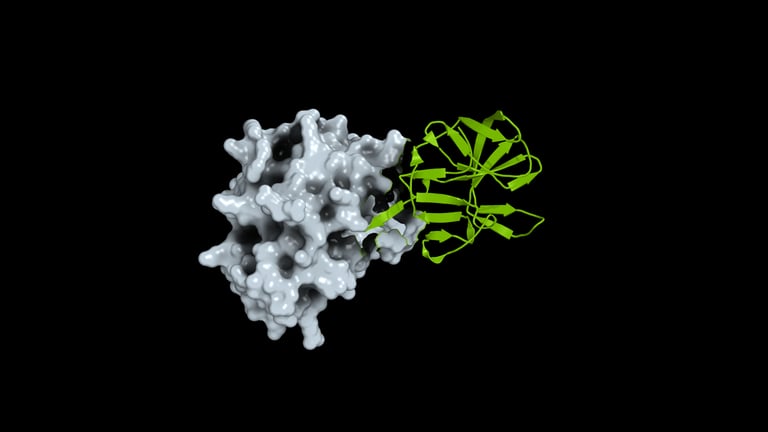


A global collaboration involving NVIDIA, Google DeepMind, and EMBL-EBI released predicted 3D structures for protein complexes of over 2,800 viruses, openly accessible via the AlphaFold Database to bolster pandemic preparedness.
Predicted structures are stored in the AlphaFold Database and accompanied by a new viral dataset that emphasizes interactions between multiple viral proteins, not just individual ones, addressing gaps where many interactions lack known structures.
The initiative aims to stockpile actionable knowledge ahead of future outbreaks to speed up response times by reducing discovery cost and prediction time for protein structures.
AI-generated structures are presented as experimental suggestions with confidence estimates and should be validated in the lab; they are starting points, not definitive answers.
Experts note that future steps may include predictions for larger assemblies such as trimers, though determining exact copy numbers in bigger complexes remains a challenge.
The work underscores that, while there is a substantial pandemic risk by mid-century, having structural predictions in advance provides practical foresight to frame questions and targets quickly.
The project covers predictions for more than 2,800 human-infecting viruses, filling gaps where experimental structures are unavailable and highlighting that predictions come with confidence estimates and require experimental testing.
Limitations include that many viral proteins function within larger complexes, some lack sugar modifications, and polyprotein processing can complicate start/end delineation for certain proteins.
Homodimers account for most of the predicted complexes, underscoring the importance of protein pairings in viral function and drug targeting.
AlphaFold has enabled discovery of many protein complexes, but experimental confirmation remains essential and predictions should not be treated as confirmed structures.
Immediate benefit lies in providing researchers with predicted structures for lesser-studied viruses and a pipeline for exploring their targets, with laboratory validation as the next step.
In unknown outbreaks, rapid understanding of which viral proteins exist, how they fold, and what they interact with can fast-track drug/vaccine target identification and diagnostics, shortening the path to actionable research.
Summary based on 6 sources
Get a daily email with more AI stories
Sources
NVIDIA Blog • Sep 24, 2026
How Open Science Can Help Researchers Prepare for the Next Pandemic
Crypto Briefing • Sep 24, 2026
AI-predicted protein structures for thousands of viruses added to AlphaFold database
Nature • Sep 24, 2026
AlphaFold 'goes viral': database adds protein complexes of common viruses