NVIDIA, Google DeepMind Unveil Massive 3D Viral Protein Structures for Pandemic Preparedness
September 24, 2026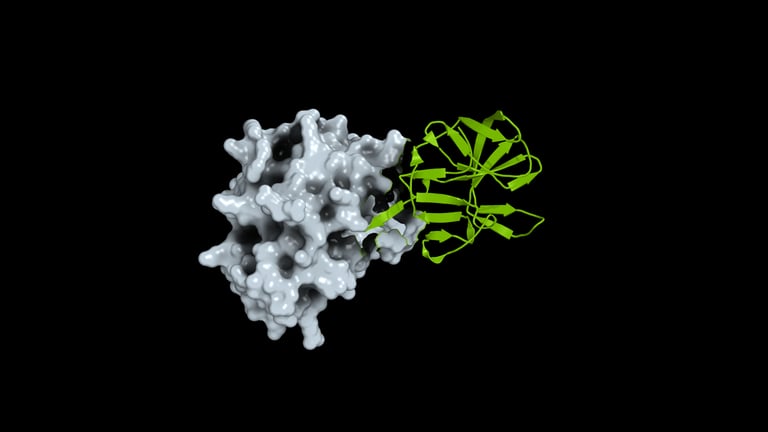


A global collaboration among NVIDIA, Google DeepMind, EMBL-EBI and others released predicted 3D structures for viral protein complexes of more than 2,800 viruses, openly accessible via the AlphaFold Database to bolster pandemic preparedness.
The structures were inferred using AlphaFold2, enhanced with NVIDIA BioNeMo Inference Runtime, enabling scalable prediction of viral proteomes and their protein complexes.
DeepMind’s AlphaFold predictions, NVIDIA’s GPU infrastructure, and EMBL-EBI’s hosting and open access to the database power the effort.
The study notes that many viral proteins are parts of larger complexes beyond dimers, and some proteins lack sugar modifications or have polyprotein processing that complicates exact start/end delineation.
This advancement expands viral protein representation roughly 30-fold compared with existing experimental data, giving researchers a substantial starting point for understanding viral biology and accelerating drug discovery.
Homodimers constitute the majority of the predicted complexes, underscoring the importance of protein pairings in viral function and drug targeting.
Experts acknowledge future steps to include trimer and larger complex predictions, though determining copy numbers in bigger assemblies remains challenging.
Examples include viruses causing mpox, measles and hepatitis B, reflecting ongoing work to refine viral protein structure representations and understanding of entry proteins.
The dataset enables hypothesis generation by analyzing interactions at the level of protein complexes, potentially accelerating vaccine and therapeutic development.
Researchers stress the value of public access and plan to empower scientists to explore viral entry mechanisms using the expanded dataset.
Caveat: AI-predicted structures are not experimentally verified, and incorrect models could mislead drug development if used without validation.
In March 2026, about 1.7 to 1.8 million high-confidence protein complex predictions for viruses were added, along with the Viro3D companion dataset containing over 85,000 high-quality structures across more than 4,400 viruses.
Summary based on 3 sources
Get a daily email with more AI stories
Sources
NVIDIA Blog • Sep 24, 2026
How Open Science Can Help Researchers Prepare for the Next Pandemic
Crypto Briefing • Sep 24, 2026
AI-predicted protein structures for thousands of viruses added to AlphaFold database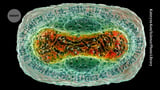
Nature • Sep 24, 2026
AlphaFold 'goes viral': database adds protein complexes of common viruses