Boosting Proteasome Biogenesis: A New Therapeutic Approach for Neurodegenerative and Cancer Treatment
September 30, 2026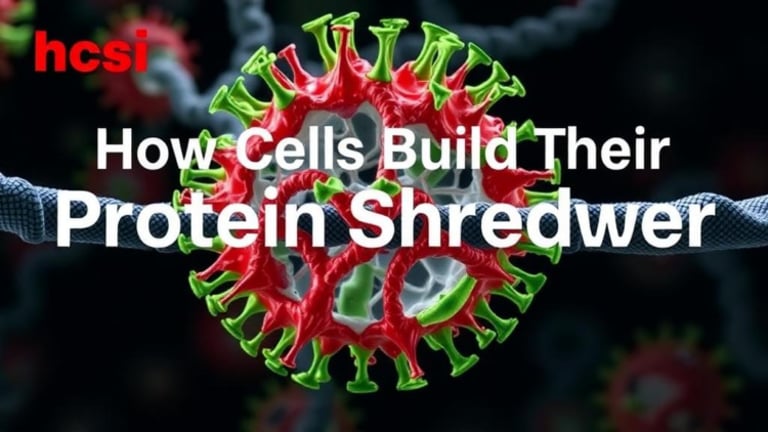

Proteasomes are essential for degrading damaged or obsolete proteins, and their biogenesis adapts to cellular demand under stress, inflammation, or metabolic changes.
Promoters of proteasome genes are regulated by combinatorial, context-dependent interactions of multiple transcription factors and chromatin states, yielding subunit-selective control.
This subunit-selective regulation enables either broad upregulation of many subunits or selective modulation of specific subunits or assembly factors to tune proteasome composition.
A mammalian counterpart to the yeast Rpn4 stress response exists in the NFE2L1 (Nrf1) pathway, which activates proteasome subunit and assembly factor genes when proteasome activity is stressed or inhibited.
Mammalian proteasome biogenesis encompasses transcriptional regulation, assembly pathways, and maturation steps, with potential bottlenecks if demand outpaces any single step.
Therapeutic strategies may shift from inhibiting proteasomes to boosting biogenesis—via NFE2L1 signaling or subunit-selective regulators—to reduce proteotoxic stress in neurodegenerative diseases or to sensitize tumor cells reliant on high proteasome throughput.
Disruptions in biogenesis are linked to autoinflammatory, neurodevelopmental, and degenerative diseases, highlighting disorders of construction and regulation rather than catalytic activity alone.
NFE2L1/Nrf1 is activated after escaping proteasomal degradation, translocates to the nucleus, and upregulates proteasome components to restore proteolytic capacity, acting as a crucial recovery mechanism from proteotoxic stress.
Proteasome assembly requires tightly coordinated chaperones and assembly factors; failures in assembly can cause insufficiency even when subunit production is normal.
Summary based on 1 source
Get a daily email with more Science stories
Source
BIOENGINEER.ORG • Sep 30, 2026
How Cells Build Their Protein Shredder: New Rules of Proteasome Biogenesis