Chinstrap Penguins Plummet as Climate Change Reshapes Antarctic Ecosystems
October 7, 2026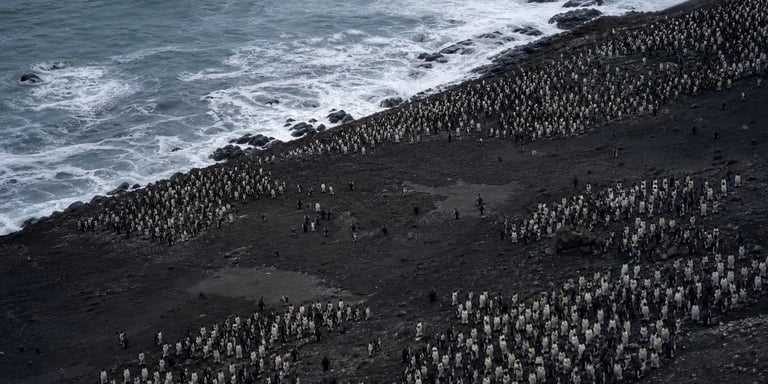

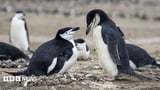
The world’s largest chinstrap penguin colony on Zavodovski Island in the South Sandwich Islands has declined by about two-thirds since 2011, a drop largely attributed to climate-driven changes in the Antarctic ecosystem.
Concurrently, macaroni penguins on the same island have increased, likely due to a broader, more flexible diet and foraging in slightly warmer waters to the northeast, signaling a shift in species composition.
Nest occupancy data show chinstraps fell about 63% from 2011 to 2025, while macaroni nests rose about 28% from 2011 to 2016 and have stabilized around 430,000 breeding birds, underscoring different vulnerabilities tied to diet and krill reliance.
Experts describe the Zavodovski decline as an early warning sign or canary in the coal mine for climate-change impacts on Antarctic ecosystems and global biodiversity.
Researchers emphasize the climate-driven nature of the decline rather than a single volcanic event or predation, highlighting broader implications of rapid warming for the region’s ecosystems.
The study notes that no remote region is immune to climate change, and the IUCN status of the chinstrap could be reassessed if trends persist across the Antarctic region.
Data rule out other causes such as a 2016 volcanic eruption, food competition, or human disturbance, showing a steady linear decline and behavioral avoidance of ash-affected areas.
Published in Current Biology, the research suggests the rapid decline could push chinstraps toward endangered status and highlights broader implications for Antarctic food webs, likening ecosystem stability to a collapsing Jenga structure if key pieces are removed.
The findings, published in Current Biology, reinforce concerns about climate change’s impact on Antarctic wildlife.
The chinstraps’ specialized diet and cooling-water preference make them particularly vulnerable to warming oceans, with nearby volcanic activity and guano-influenced habitats cited as contributing environmental factors.
The Zavodovski colony was once believed relatively resilient, but new data show a persistent, long-term decline rather than a single catastrophic event.
If climate change is the primary driver, meaningful mitigation remains challenging in the short term and requires broader reductions in carbon emissions.
Summary based on 7 sources
Get a daily email with more Science stories
Sources
BBC News • Oct 7, 2026
World's largest penguin colony hit by climate-driven decline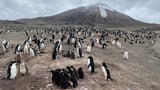
Animals • Oct 7, 2026
Inside the Collapse of Earth's Largest Penguin Colony
AAAS logo • Oct 7, 2026
World’s once-largest penguin colony is in perilous decline
UA.NEWS • Oct 7, 2026
Penguin numbers on Zavodovski Island have fallen by more than 40% — Science News