3D Genome Organization Key to Cephalopods’ Complex Brain Evolution, Study Reveals
October 9, 2026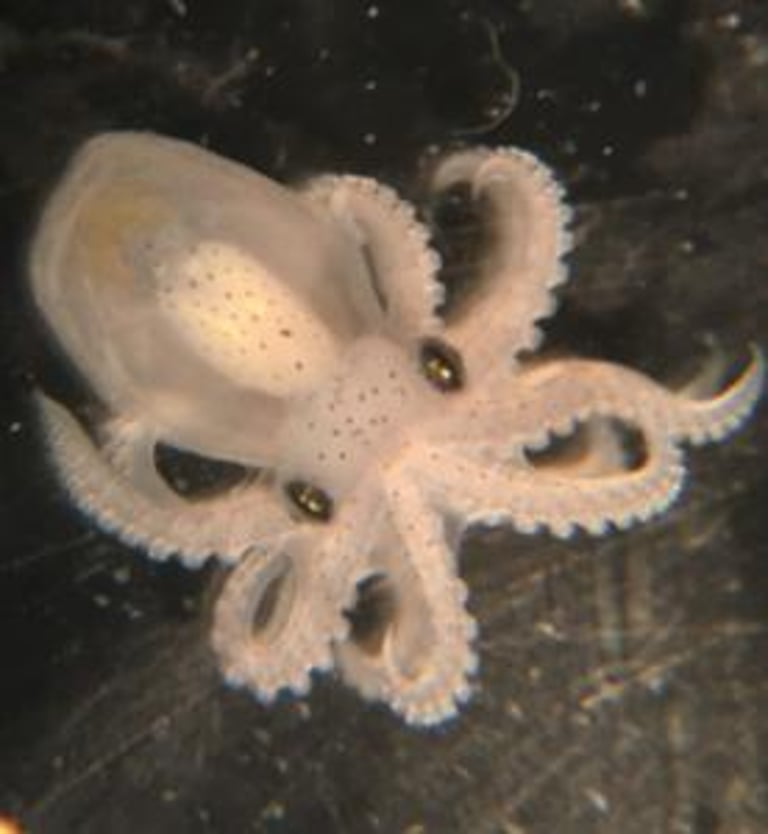

New findings argue that 3D genome organization actively shapes evolutionary trajectories, not just genome architecture as a passive outcome, and may help explain the cephalopods’ unusually complex nervous systems.
The researchers describe regulatory entanglement, a process where new DNA interactions become increasingly interconnected over evolutionary time, enabling novel gene expression while preserving core functions.
By reconstructing three-dimensional genome architecture, they link a historic, large-scale genome reorganization to the emergence of new regulatory interactions that bring distant DNA regions into contact.
While large chromatin domains remain largely stable through evolution, finer-scale chromatin loops are highly dynamic and frequently associate with genes linked to nervous system development and cephalopod traits.
The study, published in Nature Communications on October 9, 2026, highlights 3D genome folding as crucial for understanding how complex traits evolve.
Dynamic chromatin loops vary across species, tissues, and developmental stages, indicating a role in shaping trait evolution rather than being mere passive genome changes.
A University of Vienna study explores how the genome’s 3D organization may have driven the evolution of complex brains in coleoid cephalopods—octopus, squid, and cuttlefish.
Summary based on 1 source
Get a daily email with more Science stories
Source
EurekAlert! • Oct 9, 2026
3D structure of DNA may explain how cephalopods evolved complex brains