Human Cell Atlas: Mapping a Billion Cells to Revolutionize Medicine by 2026
October 13, 2026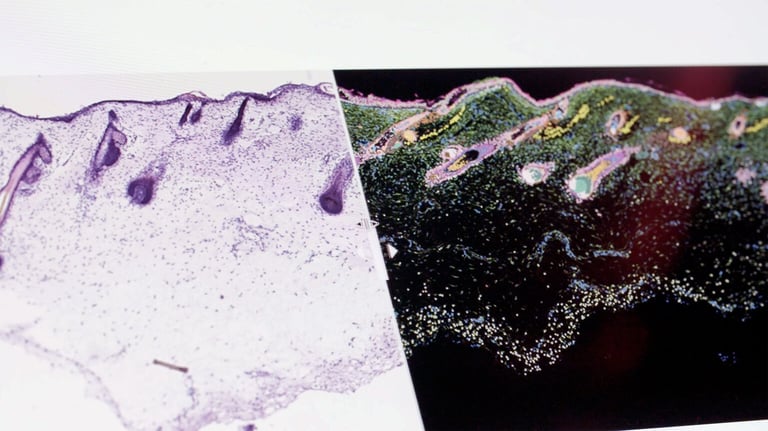

The Wellcome Human Cell Atlas (HCA) is a global, collaborative effort to map every human cell type at cellular resolution, enabling insights into tissue interactions, development, and disease.
Since its 2016 London launch, the project has rapidly expanded and by 2026 marks its 10th anniversary with a community of over 4,000 members from more than 100 countries.
The shift from bulk tissue analysis to single-cell and spatial technologies lets researchers identify cell identities, gene expression, and precise tissue positions, building detailed maps of how cells communicate.
In ten years, the atlas has mapped more than 100 million cells (with a goal of one billion), identified rare heart pacemaker cells, and highlighted cell types linked to SARS-CoV-2 receptors, informing biology, disease mechanisms, and therapeutics.
Organoid models are used to benchmark human tissues, advancing regenerative medicine, drug testing, and disease understanding.
Future directions include mapping more individuals across life stages, enriching three-dimensional spatial data, and applying AI to model and predict cellular behavior toward a full-body cellular map.
Since 2016, more than 4,000 scientists from over 100 countries have contributed to building a comprehensive, location-specific cell map across 18 tissue/organ maps, with ambitions to reach up to a billion cells.
Researchers frame the body as an ecosystem of interacting cells, with the atlas as a tool to reveal cellular conversations and drive biomedical advances.
The atlas aims to improve drug development, disease understanding, public health, and personalized medicine by providing a detailed reference of cell types, their locations, and gene expression patterns.
Organizationally, the HCA centers on Biological Networks focused on tissues and systems, emphasizes openness and global inclusion, and benefits from Wellcome Trust funding and partnerships with institutions like the Wellcome Sanger Institute.
Summary based on 1 source
Get a daily email with more Science stories
Source
Wellcome • Oct 13, 2026
An atlas of life: mapping the human body cell by cell | Wellcome