New Deep-Sea Worm Genus with Suction-Cup Features Discovered in Indian Ocean
October 14, 2026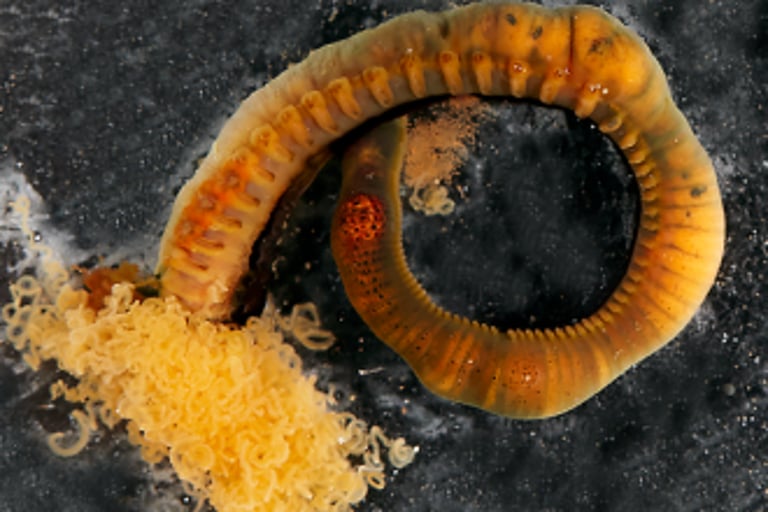

A new genus of deep-sea polychaete worms, Terebellosuctoria, has been discovered in the Indian Ocean, notable for suction-cup–like structures on the underside of their bodies.
Researchers collected more than 850 specimens during 2021–2022 expeditions to Christmas Island and the Cocos Islands seamounts, uncovering 13 previously unknown species and seven newly described species from three families, including two in the new genus.
One specimen collected near the Cocos Islands at about 670 meters depth showed numerous branching brown tentacles and helped define the new genus.
The discovery was led by Museums Victoria aboard the research vessel Investigator, with findings published in the Records of the Australian Museum, underscoring how rare it is to establish an entirely new genus amid ongoing deep-sea discoveries.
The worms, including bright orange individuals up to 75 millimeters long, are part of the polychaete group, which is known for segmented bodies and bristle-like appendages, reflecting efforts to document undiscovered marine biodiversity.
Terebellosuctoria features suction-like structures that may help the worms attach in sediment-scarce environments such as seamount slopes, with feeding through tube-dwelling behavior.
A species was named Terebellosuctoria jimii in honor of Naoto Jimi, who previously described similar sucker-like structures on another marine worm.
Summary based on 1 source
Get a daily email with more Science stories
Source
The Independent • Oct 14, 2026
Scientists discover whole new genus of deep-sea ‘spaghetti worms’ with suction cups