Texas A&M Study Reveals Excess RNA Damages Mitochondria, Impacts Cellular Energy and RNA Therapies
October 21, 2026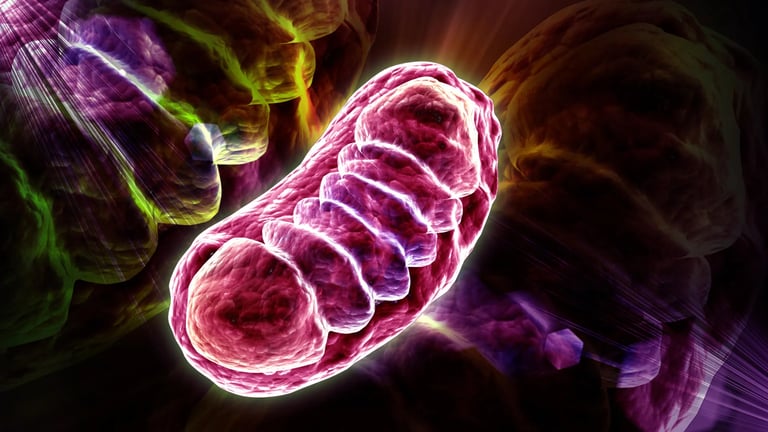

A Texas A&M VMBS study finds that excess RNA inside cells, including messenger RNA, can damage mitochondria and reduce cellular energy production, not solely through immune activation.
The research shows that ordinary messenger RNA (mRNA) can disrupt mitochondrial function when present in excess, directly interfering with mitochondrial energy production, not just double-stranded RNA.
Researchers from Texas A&M College of Veterinary Medicine and Biomedical Sciences report that excess RNA impairs cellular energy production by damaging mitochondria, particularly during poxvirus infections, as published in the Proceedings of the National Academy of Sciences.
While the findings are promising, researchers caution that more work is needed to determine how widely this mechanism operates and its relevance to different diseases.
The research has potential implications for RNA-based therapies, including mRNA vaccines, by informing how cells respond to RNA buildup and guiding optimization to maximize efficacy while minimizing adverse effects.
Additionally, the study discusses implications for RNA-based therapies, suggesting that understanding RNA handling in cells could inform the design and optimization of future RNA therapeutics.
Excess RNA accumulates during poxvirus infections, and viruses may rely on RNA cleanup mechanisms to keep host cells healthy enough for replication.
Poxviruses appear to employ RNA cleanup mechanisms that help infected cells remain functional long enough to continue replication, highlighting a viral strategy to manage RNA overload.
The findings broaden potential implications beyond viral infections, raising questions about RNA buildup in aging, cancers, and neurodegenerative diseases where mitochondrial function is compromised.
RNA accumulation could be a source of mitochondrial stress and may be linked to aging-related diseases, certain cancers, and neurodegenerative conditions such as Alzheimer's and Parkinson's diseases.
Overall, the study underscores the need to understand RNA balance in cells and how excessive RNA can shift cellular energy dynamics, with broad health and disease relevance.
The damage to mitochondria may be caused by the negative electrical charge of RNA disrupting the mitochondria's electrochemical gradients essential for ATP generation.
Summary based on 2 sources
Get a daily email with more Science stories
Sources

ScienceDaily • Oct 21, 2026
Too much RNA can starve cells of energy, scientists discover
SSBCrack News • Oct 21, 2026
Study Reveals Excess RNA Can Impair Cell Energy Production by Damaging Mitochondria - SSBCrack News