U-M Collaboration Achieves FDA Approval for Minimally Invasive Pulmonary Embolism Device, Raising $122M in Funding
October 26, 2026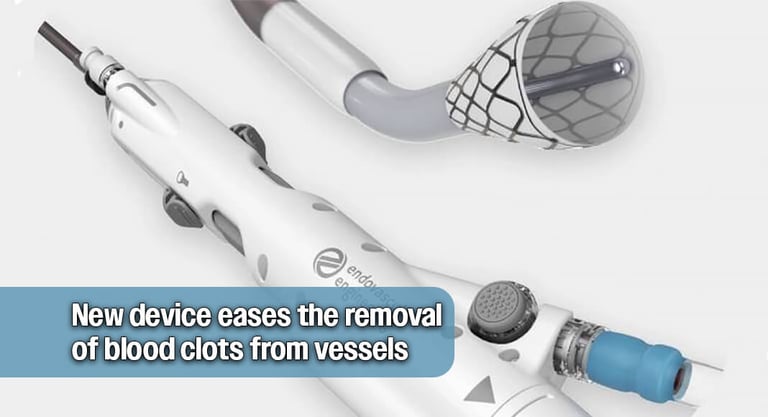

A cross-disciplinary collaboration between University of Michigan engineers and clinicians is advancing minimally invasive vascular devices, backed by programs like Innovation Partnerships, the Coulter Translational Research Partnership, and the MTRAC Life Sciences Innovation Hub.
The effort brings together engineering and clinical teams at U-M to push forward minimally invasive devices for vascular conditions.
FDA clearance for treating pulmonary embolism marks a milestone following positive ENGULF trial results, highlighting a minimally invasive approach to chronic venous thromboembolism and pulmonary embolism.
The ENGULF trial served as the pivotal clinical evaluation that supported the FDA clearance for treating pulmonary embolism.
Positive ENGULF results contributed to the FDA approval, underscoring a notable advance in interventional neurocardiovascular innovation translating university research into patient care.
The achievement is attributed to multiple individuals and affiliations, with ongoing commercialization and potential for additional devices addressing vascular and neural conditions.
Endovascular Engineering, a U-M startup founded in 2020 by Savastano, is commercializing the device and has secured significant funding, including Series B and C rounds totaling over $122 million, buoyed by positive ENGULF results.
Endovascular Engineering receives strong backing from U-M programs such as Innovation Partnerships, the Coulter Translational Research Partnership Program, and the MTRAC Life Sciences Innovation Hub.
Funding milestones show $42 million in Series B and $80 million in Series C, signaling investor confidence and growth potential.
The system originated in the University of Michigan Biomedical Manufacturing and Design Lab led by Albert Shih, with contributions from neurosurgery resident Luis Savastano and engineers including former Ph.D. students who joined academic and industry roles.
Development involved a collaborative team of engineers and clinicians in the Biomedical Manufacturing and Design Lab, with key roles by Yihao Zheng, Yang Liu, Jeffrey Plott, Luis Savastano, and Aditya Pandey.
The Hēlo Thrombectomy System is a suction-and-agitation device designed to remove pulmonary emboli, now FDA-cleared for treating pulmonary embolism in chronic venous thromboembolism cases, aiming to reduce vessel wall damage.
Summary based on 4 sources
Get a daily email with more Science stories
Sources

BIOENGINEER.ORG • Oct 26, 2026
FDA clears University of Michigan suction-and-agitation device for lung
University of Michigan News • Oct 26, 2026
Embolism treatment developed at U-M receives FDA clearance
Mega Doctor News • Oct 26, 2026
Embolism Treatment Developed at University of Michigan receives FDA clearance
Michigan Engineering News • Oct 26, 2026
Embolism treatment developed at U-M receives FDA clearance