New Study Links Cancer Cell Mobility to Novel Vesicle Formation, Potential Biomarkers
October 28, 2026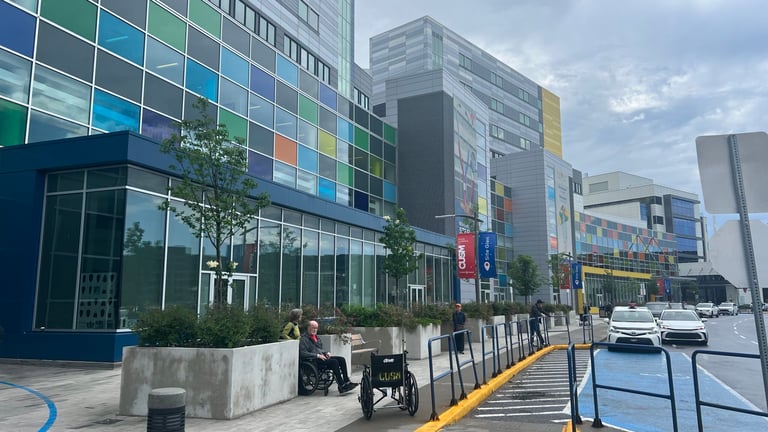

The team induced EMT in non-cancerous cells to demonstrate a dramatic rise in MoVe production, reinforcing the EMT–MoVe relationship.
MUHC researchers at McGill University Health Centre reported a new discovery about migrating cancer cells.
MoVes are a newly identified class of large extracellular vesicles (2–5 micrometres) shed by actively migrating cancer cells, carrying the complete genomic DNA of the parent tumor cell along with organelles and proteins linked to epithelial–mesenchymal transition (EMT).
Limitations noted include potential surface protein loss during trypsin isolation, incomplete in vivo functional assessment, overlap in size with other large vesicles, and non-specificity of some pharmacological inhibitors.
Funding and affiliations include CIHR, FRQ, and McGill institutions; multiple authors and supporting centers such as CAN, FEMR, and the McGill Genome Centre are acknowledged.
The study’s publication details, authors, DOI, and funding sources (CIHR, FRQ, and other affiliations) are provided, along with institutional acknowledgments.
Proteomics identified 46 proteins enriched in MoVes, with FAM3C/ILEI highlighted as a distinguishing marker; gene ontology associates MoVes with redox homeostasis, oxidative stress, and lipid metabolism.
Functional assays show MoVes can transfer mitochondrial content and enhance respiration in recipient cells; in vivo, labeled MoVes accumulate in the liver of mice and can cause adverse effects at high doses, with evidence of pulmonary accumulation.
The team used genomic/proteomic analyses and advanced imaging to study MoVes, and collaborations with Dr. David Lyden helped develop methods to separate MoVes from other EVs and study their functions.
The study used genomic, proteomic analyses, and advanced imaging to separate MoVes from other EVs and investigate their functions, with in vitro experiments informing their formation and cargo.
MoVes contain substantial ribosomal RNA and cytoplasmic organelles, including mitochondria, Golgi, ER, and lysosomes, indicating a rich cytoplasmic and nuclear cargo.
Media contact for the study is Fabienne Landry of MUHC.
Summary based on 4 sources
Get a daily email with more Science stories
Sources
BIOENGINEER.ORG • Oct 28, 2026
Cancer cells on the move shed giant vesicles packed with whole genomes
McGill University Health Centre • Oct 28, 2026
Discovery of a potential new vehicle for cancer spread | McGill University Health Centre
CityNews Montreal • Oct 28, 2026
MUHC researchers make discovery regarding migrating cancer cells