Perforin Alone Triggers Tumor Cell Death via Ferroptosis, Revealing New Cancer Therapy Pathways
October 29, 2026

Perforin can kill tumor cells independently of major granzymes by triggering ferroptosis, revealing a novel mechanism of immune-mediated tumor cell death.
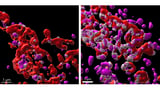
The mechanism involves perforin disrupting iron uptake and increasing iron accumulation—also in mitochondria—leading to lipid peroxidation and cell death, with imaging showing more endosomal-mitochondrial contact sites.
University of Michigan researchers led the study, published in Cell, demonstrating that perforin alone can induce ferroptosis in cancer cells and that loss of perforin impairs anti-tumor immunity.
The study used a three-pronged approach: in vitro genetic and biochemical manipulation, in vivo mouse experiments, and analysis of human cancer patient data to triangulate findings.
Collaborators include Ilona Kryczek, Judy Lieberman, and Hannah Bell, with funding from multiple National Cancer Institute grants and NSFCBET.
Funding sources and collaborators are listed, including several National Cancer Institute grants and an NSFCBET grant, with no disclosed conflicts of interest.
Findings suggest diet should be considered cautiously; iron-rich diets might slow tumor progression in some contexts but could accelerate it in others, so broad dietary recommendations are inappropriate.
The work was led by Weiping Zou and Ilona Kryczek, with Judy Lieberman collaborating, building on prior evidence of the immune system’s role in ferroptosis within tumors.
Implications include a revised view of cytotoxic lymphocyte killing and potential therapies targeting ferroptosis or perforin susceptibility, though dietary iron guidance for cancer patients remains uncertain.
Future work will define the exact death pathways and explore combination strategies to translate perforin-induced ferroptosis into clinical use, noting iron-rich conditions may help some tumors but harm others.
The research opens avenues to enhance immunotherapy by exploiting tumor susceptibility to perforin-induced ferroptosis, with plans to map overlapping cell death pathways and clinical applications.
Three-source evidence shows perforin without granzymes kills cancer cells in vitro, iron-diet effects in vivo in mice linked to perforin, and human data associating higher perforin expression with better survival and responses to immune checkpoint blockade.
Summary based on 4 sources
Get a daily email with more Science stories
Sources
Newswise • Oct 29, 2026
Immune System Protein Is a Cancer Killer on Its Own, New Study Shows | Newswise
Mega Doctor News • Oct 29, 2026
New Study Reveals Immune Protein Fights Cancer Alone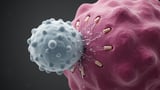
BIOENGINEER.ORG • Oct 30, 2026
Perforin Kills Cancer Cells Alone, Without Granzymes, Study Finds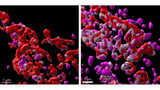
Open Access Government • Oct 30, 2026
Perforin: Michigan researchers find immune protein kills cancer by overloading it with iron