Oregon Zoo Leads EEHV Research, Shows Cautious Optimism for Infected Elephant Calf Tula-Tu
October 31, 2026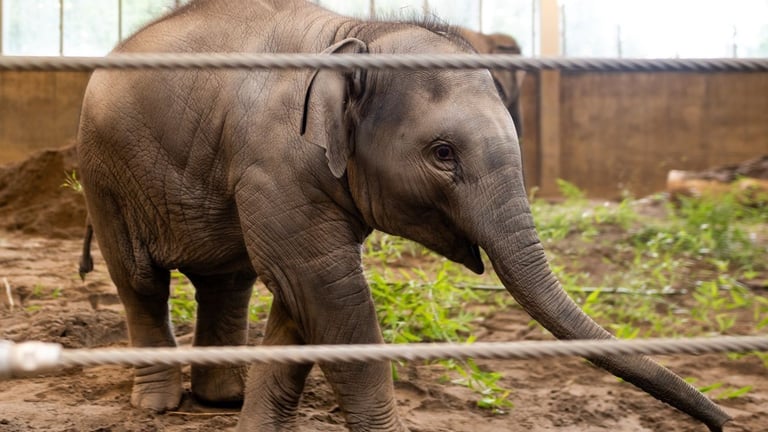

The Oregon Zoo continues its leadership in EEHV research, supporting international vaccine efforts and collaborating with Oregon State University and Baylor College of Medicine to study vaccine responses using blood samples from Tula-Tu.
Regionally and globally, the zoo has helped Sabah establish its first hematology lab with Malaysian wildlife officials and provided EEHV training to Southeast Asia wildlife health practitioners.
Diagnostic updates show first signs of EEHV in Tula-Tu appeared around October 24, with elevated EEHV detected after tests at the Oregon Veterinary Diagnostic Laboratory, prompting intensified treatment.
Despite infection, Tula-Tu has remained stable with improving white blood cell counts and normal platelet counts, signaling a cautiously positive trajectory though not yet out of danger.
Tula-Tu has received immediate care including plasma transfusions and antiviral therapies, and is currently stabilized with normal platelets and improving white blood cell counts.
Zoo officials report ongoing stability for Tula-Tu, with normal platelet counts and rising white blood cell counts, reinforcing cautious optimism.
EEHV is a latent, common virus in Asian elephants, with calves at higher risk as maternal antibodies wane; Tula-Tu received an mRNA vaccine targeting EEHV-1A, but she is infected with EEHV-1B, for which vaccine effectiveness is uncertain.
EEHV can progress quickly, and there have been lethal cases in the past, including a sibling named Lily who died in 2018 at age six; researchers emphasize no cure for herpesviruses in animals and focus on management.
Most elephants carry latent EEHV, with calves most vulnerable as maternal antibodies decline between ages 1 and 8; ongoing monitoring and treatment are central to care.
Veterinary staff began plasma transfusions and antiviral medications, using in-house blood monitoring to detect a low white-blood-cell count early and guide timely intervention.
The zoo notes that EEHV also affects wild elephants, and ongoing work aims to protect future calves both in captivity and in the wild.
Dr. Carlos Sanchez, the zoo’s director of animal health, stresses that early detection is critical and points to advances in diagnostics and treatments that foster cautious optimism for Tula-Tu.
Summary based on 3 sources
Get a daily email with more Science stories
Sources

KTVZ • Oct 30, 2026
Tula-Tu fights off EEHV infection as doctors express cautious optimism
SSBCrack News • Oct 31, 2026
Oregon Zoo's Baby Elephant Tula-Tu Diagnosed with Life-Threatening Herpesvirus - SSBCrack News